Are you deciding whether to buy or sell a Hillsboro Mile estate with cash or mortgage financing? You are not alone. This ocean-to-Intracoastal corridor is unique, which means your offer structure has real weight on timing, risk, and negotiation power. In this guide, you will learn the pros and cons of each path, how local factors affect your decision, and practical steps that help you close with confidence. Let’s dive in.
Hillsboro Mile market factors
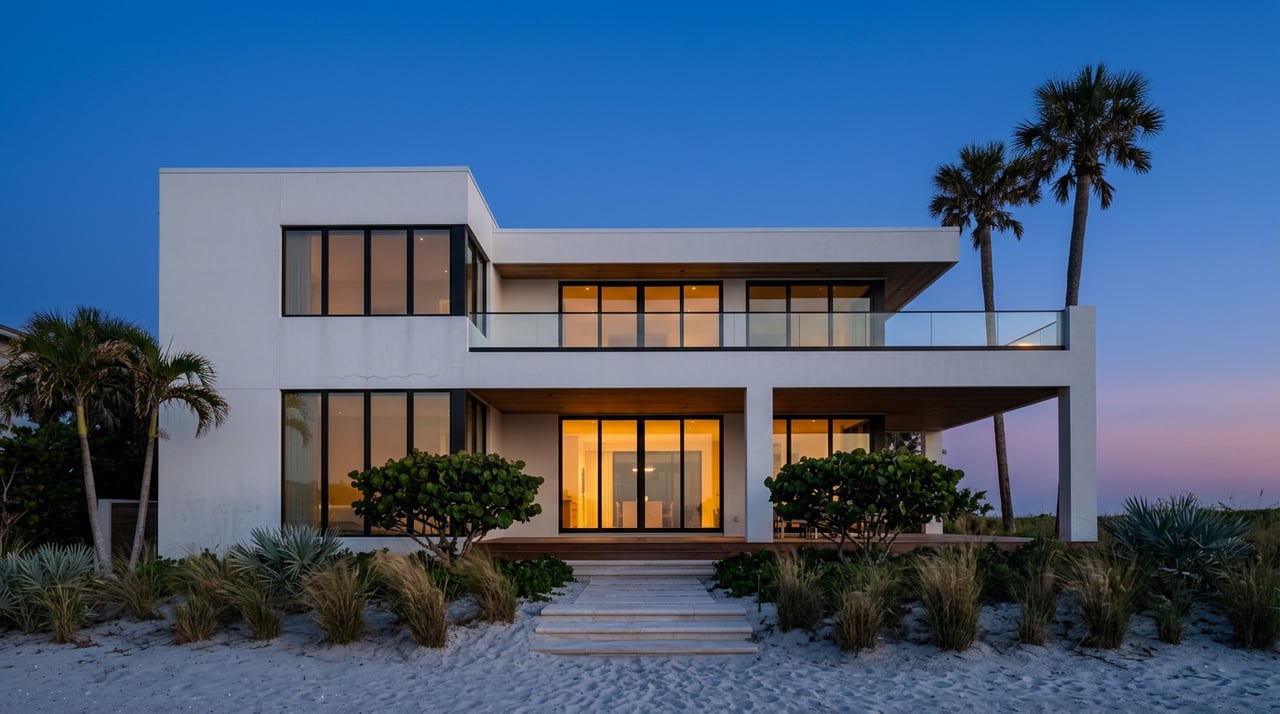
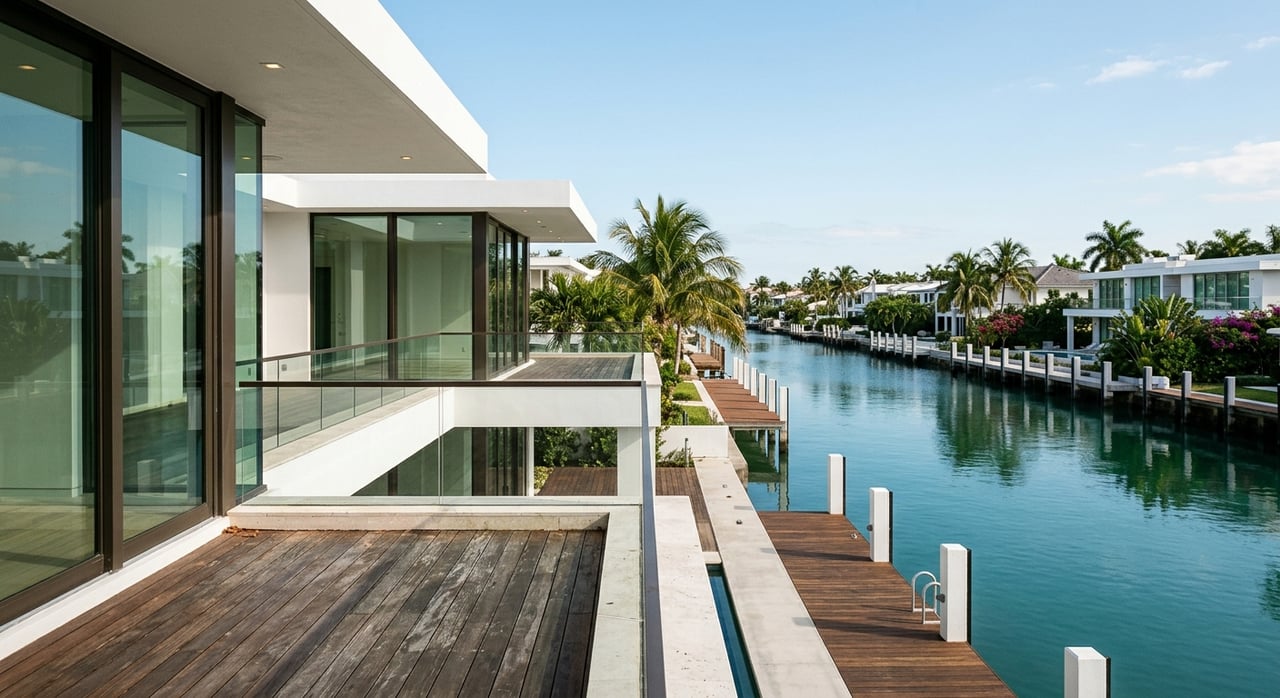
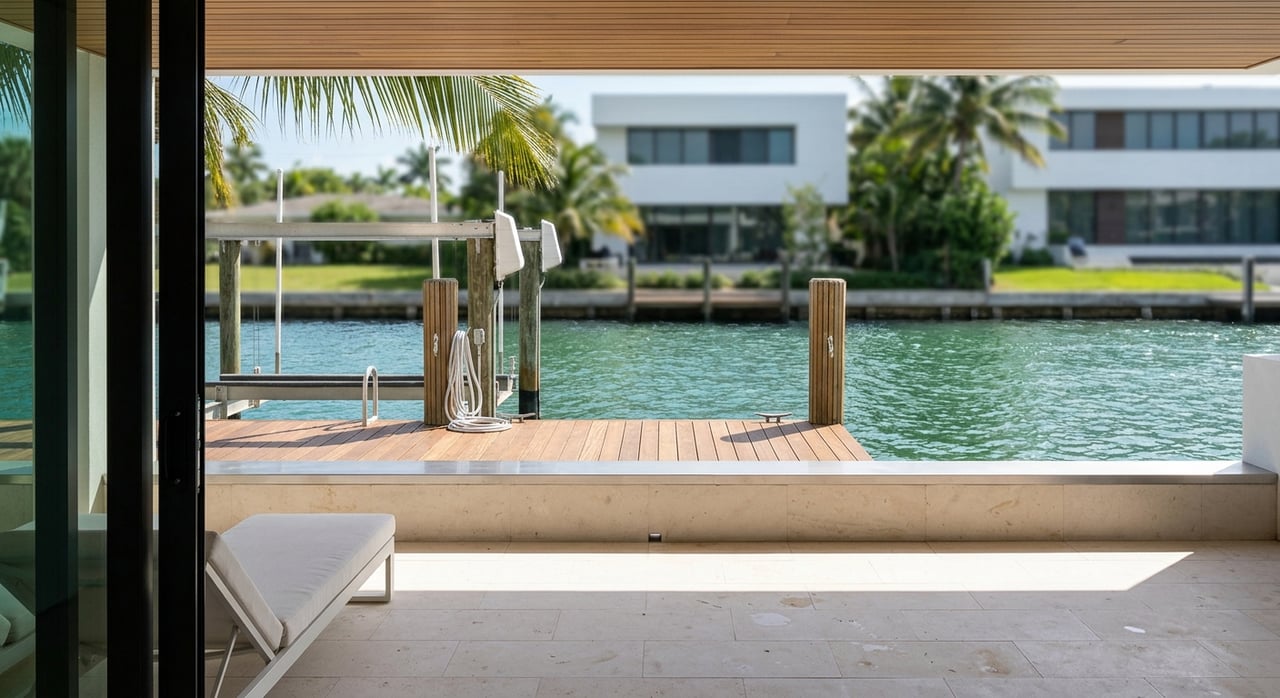
Hillsboro Mile is a short, low‑density stretch of custom estates with direct Atlantic frontage and private docks on the Intracoastal. Inventory is limited and sales are infrequent, which creates a specialized market with high prices and few true comparables. For local context on parcels and ownership, review the Town of Hillsboro Beach and the Broward County Property Appraiser.
Inspections that matter most
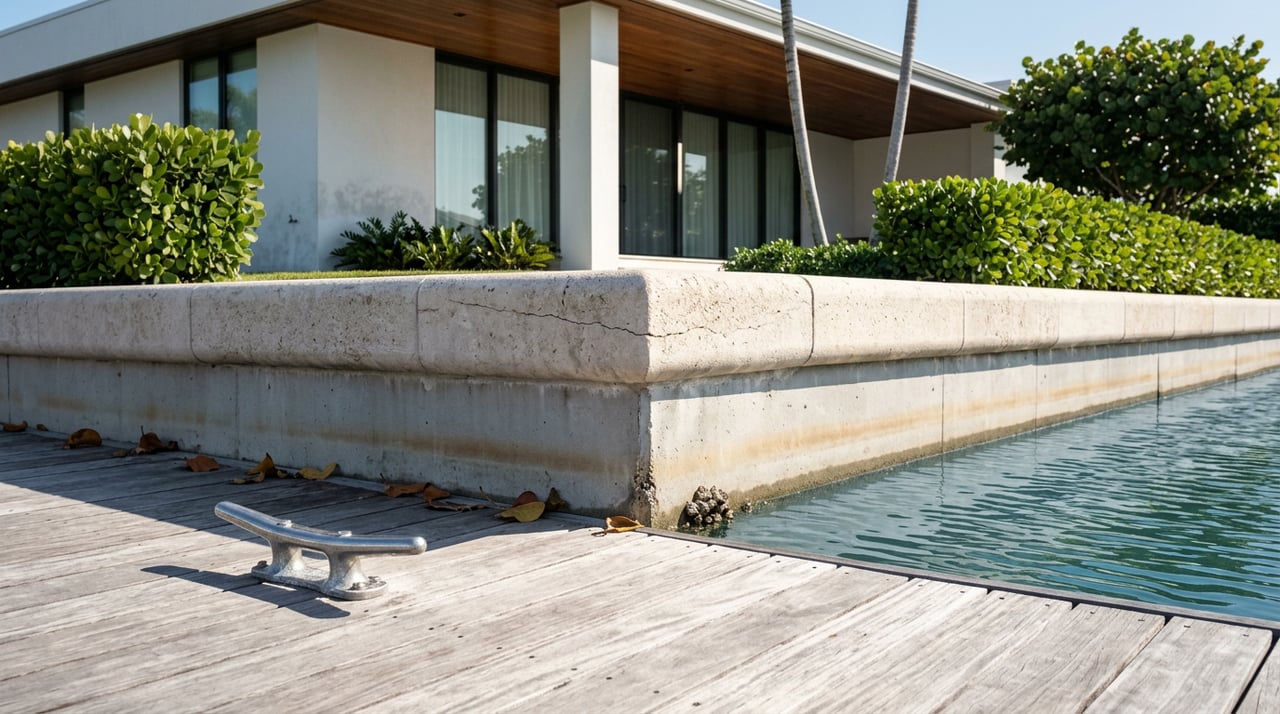
Coastal due diligence is essential. Pay close attention to seawall condition and permits, erosion and elevation, flood zone classification, riparian and dock rights, drainage and easements, and landscape setbacks. Insurance availability for wind and flood should be verified early.
The limited number of comparable sales can also produce appraisal challenges, especially for one‑of‑a‑kind properties. This is one reason sellers tend to prefer high‑certainty offers.
Cash offers on Hillsboro Mile
Buyer benefits
- Faster closings, often in 7 to 21 days once inspections and title are clear.
- Competitive edge because you remove lender denial, loan contingencies, and many delays.
- Fewer conditions since there is no mortgage underwriting or lender appraisal requirement.
- Potential cost savings by avoiding origination fees, lender appraisal fees, and mortgage interest.
Buyer drawbacks to consider
- Large capital outlay that may reduce your liquidity for taxes, insurance, and coastal upkeep like seawall or dock work.
- Opportunity cost if your invested capital could earn more elsewhere than your borrowing cost.
- In changing rate environments, the effective cost of capital can shift. Cash feels attractive when rates are high, but financing can be compelling if favorable terms are available.
How to execute a cash purchase
- Provide immediate proof of funds to strengthen your offer.
- Complete full due diligence: title, survey, home and marine inspections, permits, and insurance quotes for wind and flood.
- Negotiate a short but reasonable inspection period and be prepared to make a significant escrow deposit to signal certainty.
For general consumer guidance on the transaction process, review the CFPB mortgage basics, even if you plan to pay cash.
Financing high‑value coastal estates
Loan types and limits
Most Hillsboro Mile purchases exceed standard conforming limits. That places you in jumbo or portfolio loan territory with stricter underwriting. To understand loan size thresholds, see the FHFA conforming loan limits.
Common products include conventional jumbo mortgages, private bank portfolio loans, asset‑based programs for well‑capitalized buyers, and options for foreign nationals. Lender experience with luxury coastal assets is essential.
Underwriting differences
- Larger down payments are typical, often 20 to 30 percent or more depending on your profile.
- Substantial post‑closing reserves are common on large loans.
- Strong credit and robust documentation help, and some borrowers qualify with asset‑based underwriting.
- Appraisals can be conservative due to limited comparable sales. Some lenders may require a second appraisal for very large loans.
- Lenders will require hazard and flood insurance if applicable. Many oceanfront parcels fall within special flood hazard areas where elevation and coastal construction details matter.
Check flood zone status using FEMA flood maps and review NFIP flood insurance guidance to understand coverage options and potential premiums.
Timelines and expectations
Financed purchases often take 30 to 60 days or more, depending on appraisal turn times and underwriting. Cash closings can be shorter, but they still depend on inspections, clear title, and insurance coordination. Align your timeline with the seller’s preferences.
Special situations
- Foreign buyers may face higher down payments, rate premiums, and extra documentation, so many opt for cash.
- Investors may qualify with rental income analysis or DSCR‑style products, but underwriting varies by lender.
Insurance and closing costs in Broward
Flood and wind coverage
Coastal Broward properties face flood and hurricane exposure. Lenders typically require flood insurance in mapped flood zones and wind coverage that meets their deductible guidelines. Availability and premiums should be verified early in your process.
Taxes and closing costs
Florida charges documentary stamp tax on deeds, and buyers with mortgages also pay a separate tax on notes. Review current rules at the Florida Department of Revenue guidance. Hillsboro Beach parcels are on Broward’s tax rolls, and typical practice is to prorate property taxes at closing. See Broward County property tax resources for local information.
Cash closings eliminate lender costs like origination, underwriting, and appraisal fees, but title insurance, documentary stamps on the deed, and closing agent fees still apply. Financed purchases include additional lender fees, mortgage recording costs, flood certifications, and potentially mortgage insurance if the loan‑to‑value requires it.
Offer strategy on Hillsboro Mile
If you are paying cash
- Attach strong proof of funds and propose a shorter inspection period.
- Offer an earnest deposit that reflects your certainty and capacity to close.
- Keep the contract clean, but protect your interests with title, survey, and inspection contingencies.
If you are financing
- Submit a full preapproval from a lender experienced with jumbo and coastal underwriting.
- Accelerate appraisal ordering at contract and share your lender’s contact details with the listing side.
- Consider appraisal‑gap language or larger deposits to reduce perceived risk for the seller.
Decision checklist for buyers
Use this quick framework to clarify your path:
- Liquidity: After closing, will you have ample reserves for wind and flood premiums, taxes, and coastal maintenance like seawall or dock work?
- Opportunity cost: Does keeping capital invested outweigh the cost of borrowing when you consider fees and after‑tax interest expense?
- Lending feasibility: Can you obtain favorable jumbo terms given the property type, appraisal outlook, and required reserves?
- Insurance availability: Can you secure acceptable wind and flood coverage at tolerable premiums?
- Timing: Does the seller’s preferred timeline favor a cash close or a well‑prepared financed offer?
- Planning: Would financing support your tax or estate strategy? Consult your financial and legal advisors.
Guidance for sellers
Cash and financing can both work. Focus on certainty, timing, and clean terms.
- Certainty: Ask for proof of funds or a robust preapproval from a reputable lender.
- Appraisal risk: Financed offers may introduce appraisal‑related renegotiation. Consider the buyer’s plan for gaps.
- Timeline: Decide how quickly you want to close and whether a short inspection period is realistic for your property.
- Contingencies: Compare inspection scope, survey timelines, and any requests for credits or repairs.
Suggested timeline and team
For cash, plan on 7 to 21 days from contract once inspections, title, and insurance are in order. For financing, plan on 30 to 60 days or longer for jumbo or complex assets. In both cases, assembling the right team early keeps you on track:
- A local lender with jumbo and coastal experience.
- A title company or Florida closing attorney familiar with Broward waterfront transactions.
- A licensed home inspector, a marine or coastal surveyor, and a structural engineer as needed.
- An insurance broker who understands Florida wind and flood markets.
- A tax advisor for cash versus financing implications.
Putting it all together
Cash shines when speed and certainty are your top priorities, or when insurance and appraisal variables might slow a loan. Financing works when you value liquidity, leverage, or tax planning, and you can secure favorable terms. On Hillsboro Mile, either path can win if the offer is disciplined, the timeline is realistic, and the due diligence is airtight.
When you want discreet guidance on a high‑stakes oceanfront purchase or sale, you deserve a seasoned, hands‑on advisor. Florida Castles, led by ONE Sotheby’s Global Real Estate Advisor Maria Montalbano, provides concierge‑level service, local waterfront expertise, and the global distribution your property requires. Request a private consultation and personalized market review.
FAQs
Is cash always better for Hillsboro Mile purchases?
- Cash often wins on speed and certainty, but financing can be better if you value liquidity, leverage, or tax planning. The best choice depends on your goals, underwriting options, insurance costs, and the seller’s timeline.
Will a lender finance an oceanfront estate in Hillsboro Beach?
- Many lenders do, but expect stricter underwriting, larger down payments, substantial reserves, and required wind and flood insurance. Limited comparable sales can also affect the appraisal.
How do flood zones affect financing on Hillsboro Mile?
- If the home is in a mapped flood zone, most lenders will require flood insurance. Check FEMA flood maps and review NFIP guidance to understand coverage and cost.
What closing costs differ between cash and financing in Broward?
- Cash buyers avoid lender‑related fees and mortgage taxes but still pay title insurance, documentary stamps on the deed, and closing agent fees. Financed buyers add origination, appraisal, mortgage recording costs, and state tax on the note per Florida Department of Revenue guidance.
How long does it take to close on a Hillsboro Mile estate?
- Cash closings can take 7 to 21 days with smooth inspections and title. Financed transactions often take 30 to 60 days or longer, especially with jumbo loans and complex appraisals.