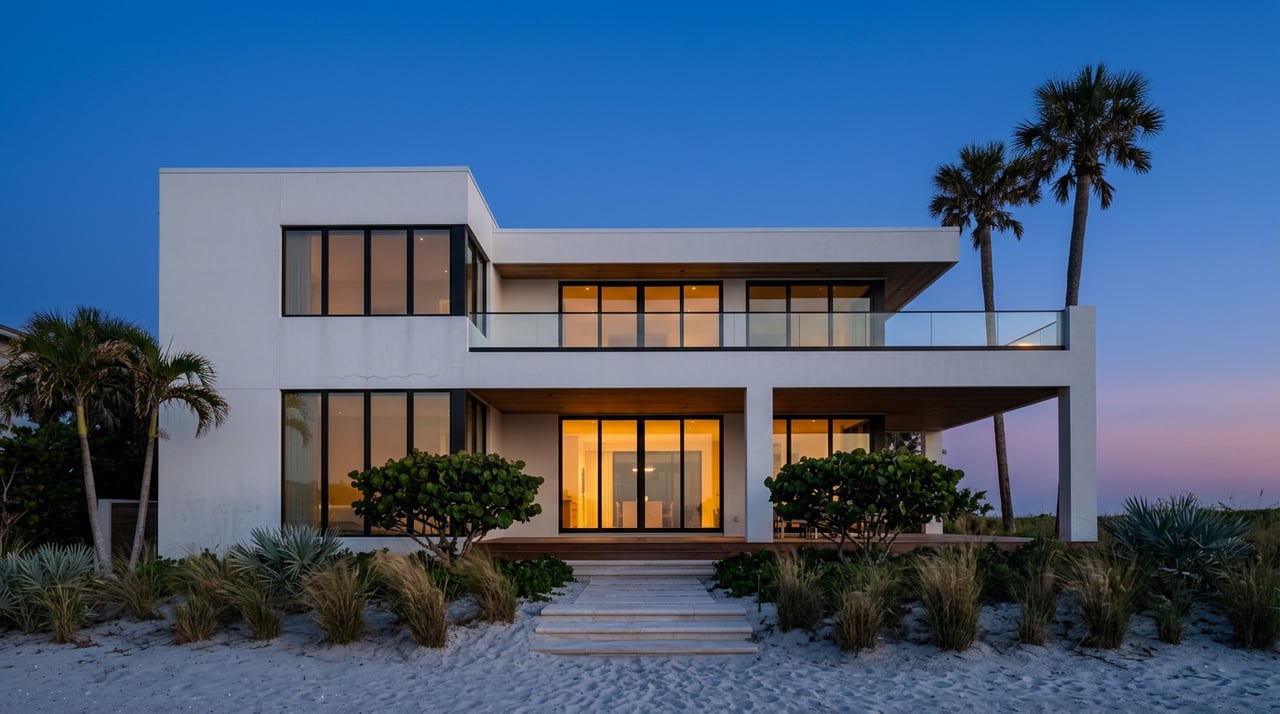
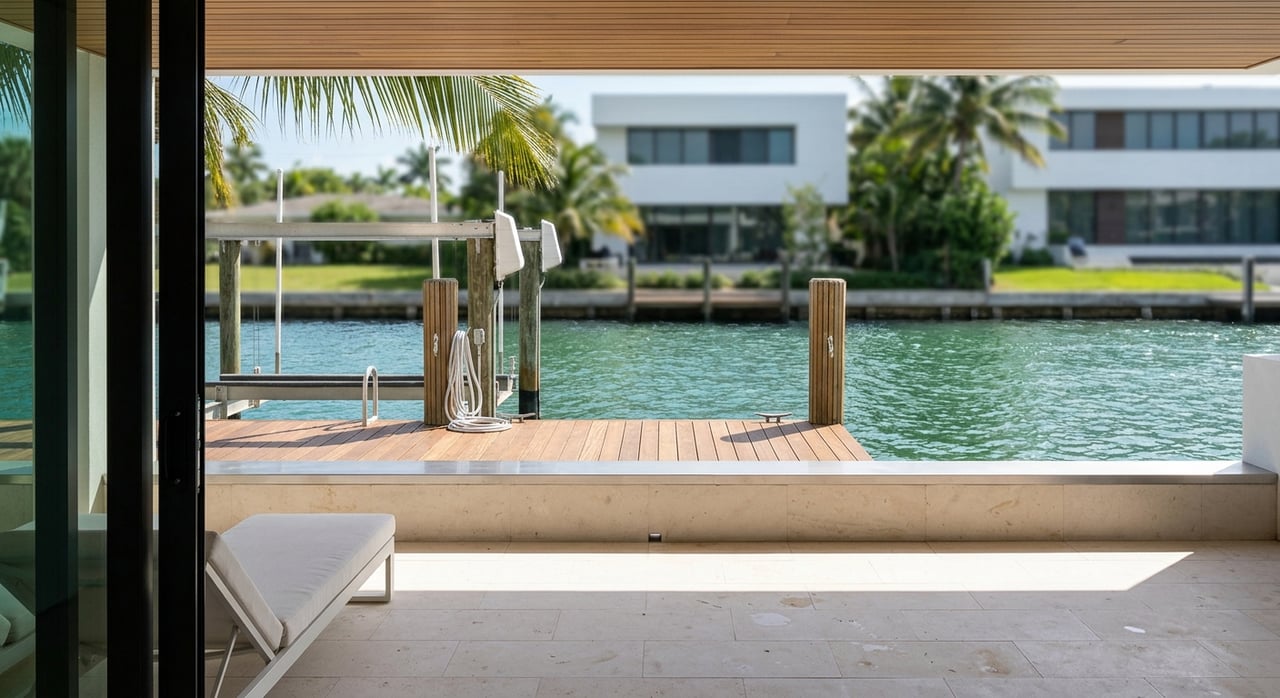
Are you picturing ocean views with room service and rental income, or a private beach home you can use whenever you like? If you are weighing a condo-hotel against a traditional condo on Fort Lauderdale Beach, you are not alone. Many buyers want a clear, local comparison before they fly in to tour. In this guide, you will learn how each option works in Las Olas and Broward County, what it means for financing, fees, rentals, taxes, insurance, and resale, and how to narrow your shortlist fast. Let’s dive in.
What you actually own
A condo-hotel is a condominium inside a hotel or resort setting. You own the unit like any condo, but it often operates with hotel services and a rental program. Housekeeping, front desk, restaurants, and concierge are common, and the building may have a centralized reservation system.
A traditional condo is a residential building that is not operated as a hotel. Rental choices are governed by the condo association’s rules. Amenities may be high-end, but staffing and services usually match residential needs, not daily hotel operations.
Some luxury “branded residences” sit between the two. A well-known name can offer services without a required rental pool, or it can run like a true condo-hotel. Do not assume the brand defines the rules. Always verify the specific building documents.
How you plan to use the home
Condo-hotel owner use
- Owner stays are often limited by the rental program. You may have fixed weeks, blackout dates, or need to reserve in advance through management.
- Short stays are usually allowed, which can suit quick beach trips or seasonal visits.
- If you want predictable rental income with hassle-light operations, this structure can fit well.
Traditional condo owner use
- You usually have more flexibility to use your home whenever you like, subject to HOA rules.
- Long-term leasing is common in many buildings. Some allow short-term or seasonal rentals, but rules vary widely.
- If you value personal use first and rental income second, a traditional condo may be the better fit.
Rental income and management
Condo-hotel rental programs
- Most condo-hotels offer a rental pool and on-site management. Your revenue is typically gross income minus fees for management, housekeeping, reservations, brand or franchise, and sometimes marketing.
- Some programs present projections. Always request audited historical statements before relying on numbers.
- The management company commonly collects and remits transient rental taxes for you. You still report income on your tax return.
Traditional condo rentals
- You manage rentals yourself or hire a third-party manager. Income can be higher or lower depending on demand and your involvement.
- Many residential buildings limit short-term rentals. Verify minimum lease terms and any caps on the number of leases per year.
- Investor ratios in the building can affect financing, so confirm rules and recent lending history.
HOA fees, services, and costs
Condo-hotel costs
- Monthly association fees are usually higher, since they support hotel-level staffing and amenities such as spa, restaurants, valet, and housekeeping.
- There can be required service fees and brand fees. Review the budget, reserve studies, and any hotel management charges.
- Ask for a sample owner statement with all itemized deductions so you can estimate true net income.
Traditional condo costs
- Monthly fees may be lower compared to condo-hotels, but you still need to evaluate reserves and capital plans.
- Insurance and maintenance trends are critical in coastal towers. Review multi-year budgets and special assessment history.
Financing on the beach
Financing is often the deciding factor. Many condo-hotels are considered non-warrantable under conventional guidelines because of hotel-style operations, transient occupancy, or investor concentration. This impacts loan options.
- Expect higher down payments, often 20 to 30 percent or more, for non-warrantable projects.
- Conventional, FHA, or VA loans may be limited or unavailable. Jumbo or portfolio loans from local banks are common.
- Many lenders will not count rental pool income for qualifying. Ask your lender in writing.
Action step: get pre-approved with a lender experienced in Fort Lauderdale condo-hotels and beach-area condominiums. Ask directly if the specific building is warrantable under current guidelines and what the down payment and rate implications are.
Taxes, licensing, and reporting in Broward
Florida taxes transient rentals. The state levies a 6 percent sales tax on short-term accommodations, and Broward County and local municipalities add their own tourist or discretionary surtaxes. Verify the current county and city rates before you rent.
- In many condo-hotels, management collects and remits these taxes for you. You still report rental income and expenses on your federal tax return.
- If you accept bookings directly, you may have additional registration and remittance duties.
- Speak with a CPA who understands Florida vacation rentals to plan for income tax, depreciation, and sales and tourist taxes.
Insurance and flood risk on Fort Lauderdale Beach
Fort Lauderdale Beach sits in a coastal flood zone. Lenders typically require coverage, and premiums can be significant.
- Buildings usually carry a master policy for the structure and common areas. You will still need an HO-6 policy for your unit interior, contents, and liability.
- Confirm whether wind and flood are included in the master policy or require supplemental coverage.
- Ask about deductibles and recent premium changes so you can budget accurately.
Resale and exit strategy
Condo-hotels attract a smaller buyer pool, usually investors and second-home seekers who are comfortable with hotel operations and fees. Brand power can help marketing, but resale can be sensitive to hotel performance, HOA history, and the management contract.
Traditional condos generally appeal to a broader audience that includes primary residents and seasonal owners. This can support liquidity, but each building is different. Review comparable sales and, for condo-hotels, ask for occupancy and revenue histories when assessing value.
Local context in Las Olas and Fort Lauderdale Beach
This stretch of Broward County draws affluent second-home buyers, seasonal residents, and investors who want a lock-and-leave lifestyle by the sand, dining, and boating. Demand is seasonal. Winter months tend to deliver higher occupancy and stronger rates for rental programs, while off-season can slow.
Use brand names as directional context only, since operations vary by building:
- Auberge Beach Residences & Spa in Fort Lauderdale is widely presented as a luxury branded project with resort-level services. Verify rental rules for your specific stack and unit type.
- Ritz-Carlton Residences in Fort Lauderdale are often associated with high service. Confirm whether units can participate in a rental program and how it operates.
- Four Seasons residences in South Florida can be private or integrated with hotel operations. Review the declaration and any rental agreements for that property.
- Selene represents newer luxury residential product. Confirm whether it is strictly residential or offers rental flexibility.
The takeaway is simple. A brand name does not tell you whether it is a condo-hotel or a private residence. The building’s declaration, bylaws, and any hotel management or rental agreements are the facts that matter.
Quick pre-tour filter checklist
Use this to focus your trip and avoid surprises:
- If flexible owner use is your top priority, favor traditional condos or branded residences that allow unrestricted personal use.
- If short-term rental income is essential, confirm the building permits it and request historical audited performance for at least two to three years.
- If you need conventional financing, target warrantable projects or confirm lenders willing to offer portfolio loans on the specific building.
- If hotel-level services are a must-have, be prepared for higher HOA and service fees. Ask for a sample monthly cost and revenue analysis.
Due diligence before you write an offer
Gather documents early so you can compare apples to apples.
Documents to request
- Condominium declaration, bylaws, rules and recent HOA meeting minutes.
- Management agreement between the HOA and any hotel operator, including term, renewal, revenue splits, and termination rights.
- Rental-management agreement and a sample owner statement showing gross revenue, itemized fees, and net payout.
- HOA budget, reserve studies, and financials for the last two to three years.
- Litigation disclosures involving the HOA, developer, or management.
- Recent property tax bills and any special assessments.
- Insurance master policy summary and required owner coverages.
- Flood zone designation and any flood insurance quotes for the unit.
- Sales history of comparable units and, for condo-hotels, audited occupancy and revenue data.
Questions to ask the building or management
- Is participation in the rental pool mandatory, and what are owner use weeks and blackout periods?
- What is the revenue split and a complete list of deductions from gross revenue?
- Are private short-term rentals outside the program allowed or prohibited?
- How are state sales and local tourist taxes collected and remitted?
- What share of units are investor-owned versus owner-occupied, and how does that affect financing?
- Are special assessments planned or expected, and what is the reserve funding level?
- Is the project considered warrantable by recent lenders, and who has closed loans here recently?
- What are leasing restrictions such as right of first refusal, minimum terms, or caps on leases per year?
- What are typical net returns after all fees and taxes, supported by audited statements for the last two to three years?
Questions for your lender, CPA, and attorney
- Lender: Can you finance this building and unit, will rental income count for qualifying, and what down payment and rate should you expect?
- CPA: How will rental income, fees, and personal use be treated for taxes, and how should you handle transient taxes and reporting?
- Attorney: Are there restrictions in the HOA or management contracts that limit use, leasing, or resale, and are there any unusual liabilities?
A simple decision framework
- Choose a condo-hotel if you want turnkey services, you are comfortable with defined owner weeks, and you plan to optimize short-term rental income with on-site management.
- Choose a traditional condo if you value flexible personal use, want control over leasing terms, and prefer broader financing options and a wider resale audience.
- If you want the best of both worlds, target branded residences that offer high service without a mandatory rental pool, and verify every rule in writing.
Next steps and local support
The smartest move is to verify financing first, then review building documents before you tour. That approach will save you time and quickly narrow your list to the right towers and stacks. If you want a curated shortlist across Las Olas and Fort Lauderdale Beach, with private showings and detailed cost and revenue comparisons, connect with Maria Montalbano for concierge guidance tailored to your goals.
FAQs
What is the main difference between a condo-hotel and a traditional condo?
- A condo-hotel operates within a hotel setting with on-site management and a rental program, while a traditional condo is a residential building where you control leasing under HOA rules.
How do financing requirements differ for condo-hotels in Broward?
- Many condo-hotels are non-warrantable, which often means higher down payments, limited conventional options, and reliance on jumbo or portfolio loans from experienced lenders.
Can I use my condo-hotel unit anytime I want in Fort Lauderdale?
- Owner use is often limited by the rental program, with fixed owner weeks, blackout dates, or advance notice requirements detailed in the management agreement.
Who handles tourist and sales taxes on short-term rentals in Broward County?
- In many condo-hotels, the management company collects and remits required state sales and local tourist taxes, but you still report rental income and should confirm obligations with a CPA.
Are HOA fees higher in condo-hotels on Fort Lauderdale Beach?
- Yes, they are typically higher because they fund hotel-level staffing and amenities such as concierge, valet, spa, and housekeeping, along with common-area utilities.
Do branded residences always mean there is a rental program?
- No, branding does not define operations. Some branded projects are private residences with optional services, while others run full rental programs, so you must verify each building’s documents.