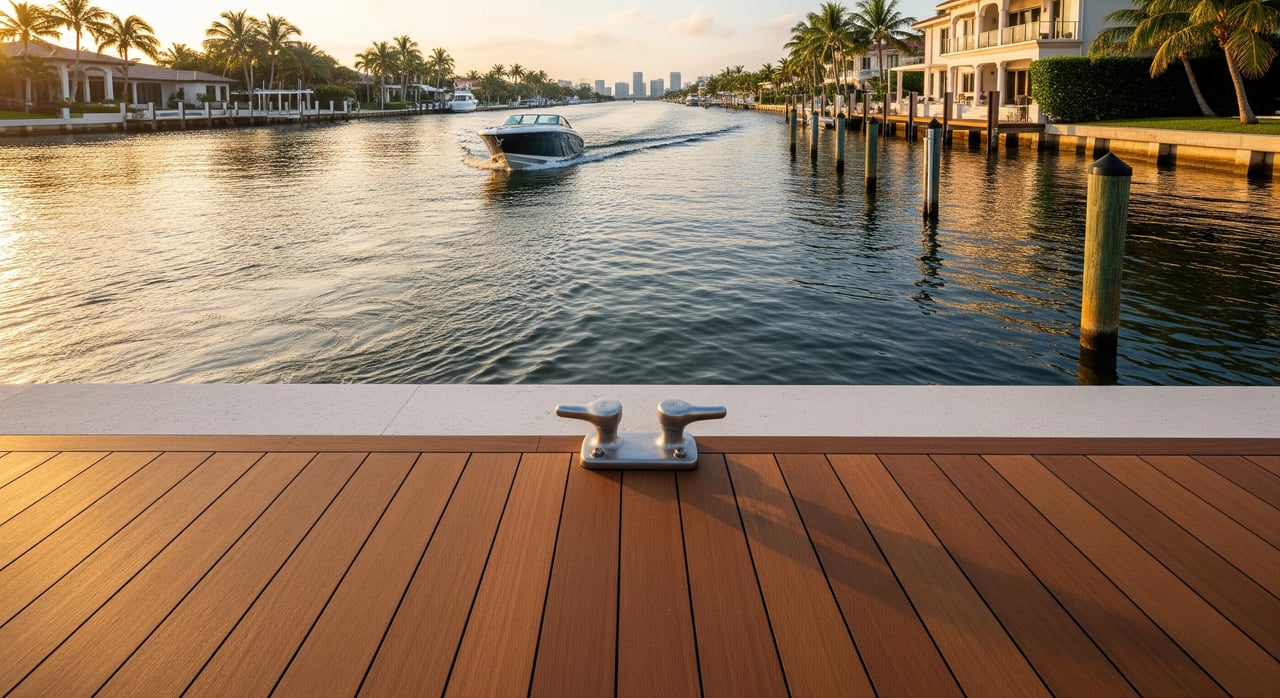
Evaluate Wake And Draft For Harbor Beach Homes
December 11, 2025
December 11, 2025
If you are considering a waterfront home in Harbor Beach or Las Olas, one question can make or break your boating lifestyle: will your dock actually work for your boat? In this part of Fort Lauderdale, boat wake and vessel draft shape how you use the water, what maintenance you face, and even your resale appeal. You want certainty before you buy or list. In this guide, you will learn how to evaluate wake and draft step by step so you can protect your investment and enjoy easy access to the Intracoastal Waterway. Let’s dive in.
Wake and draft drive two different, critical concerns. Draft is the minimum water depth your boat needs to float and maneuver. If the water at your dock is too shallow at low tide, you risk grounding or limiting boat size. Wake is the wave energy created by passing vessels. In busier corridors, repeated wakes can stress seawalls, loosen backfill, and damage docks.
In Harbor Beach and Las Olas, both factors can vary by street. Homes on the Intracoastal see larger, more frequent wakes from heavy traffic and large yachts. Properties tucked into protected basins tend to see smaller wakes but may face shallower water or shoaling. Knowing both your usable depth and your typical wave exposure is the goal.
This area sits on Fort Lauderdale’s barrier island with direct access to the Intracoastal Waterway and the Atlantic. Depths in federal channels may be maintained, but private canals can be shallower and change with time. Do not assume a canal is as deep as the main channel.
Tides here are modest, yet the low-tide window is when constraints show up. Always assess conditions at or near predicted low tide. Shoaling can move sediments into private slips, reducing depth over seasons. Local ordinances and posted speed zones affect wake patterns, and manatee protections can change how and when you operate.
Permits are required for most marine changes. That includes new docks and lifts, dredging, seawall work, and any wave attenuation. Environmental rules protect seagrasses and mangroves. These protections can limit what you can build and when work is allowed.
Draft limits directly affect what boats you can keep at home. If you can only accommodate shallow-draft vessels, your buyer pool may shift. Wakes influence maintenance costs by increasing load on seawalls and docks. Repeated wave action can undercut lawns, displace soil behind bulkheads, and accelerate wear.
Boat handling is also a safety and convenience issue. Larger wakes can make mooring stressful and increase the chance of contact damage during docking. Environmental impacts matter as well. Increased turbidity from wakes can harm seagrasses and water clarity in smaller basins. That can influence future permits and mitigation requirements.
Use this practical process before you commit to a property or list one for sale.
Use these general ranges as a starting point. Always verify on site at low tide.
Wake potential generally grows with vessel displacement and speed. Heavy planing boats and large displacement yachts create larger wakes that can stress seawalls and docks. Slow speeds and no-wake compliance reduce impacts, but you should plan for peak traffic conditions, not just the best-case scenario.
When you walk a property, small clues tell a bigger story. Loose or missing soil behind the seawall cap hints at prior undermining. Dock pilings with fresh scuff marks can indicate rough berthing in heavier wakes. Water clarity that shifts quickly after a single passing vessel may suggest fine sediments and higher turbidity under wave action.
Listen as well as look. Regular thumping under the dock on a weekend often points to wake slap, not just wind chop. Talk to neighbors and local marina staff to understand peak traffic patterns by season and by day of the week.
Most waterfront improvements require approvals from several agencies. Expect to interact with state environmental regulators, the U.S. Army Corps, Broward County, and the City of Fort Lauderdale. Work that affects seagrass or mangroves often needs mitigation and may have limited work windows.
Protected species rules matter. Manatee zones can establish speed limits and seasonal restrictions. Sea turtle nesting periods may limit certain shoreline activities. Timelines vary, so build permit lead time into your planning and your transaction strategy.
If you are selling, transparency adds value. Provide depth verification at low tide, recent inspections, permits, and any documented dredging. Buyers for Harbor Beach and Las Olas often own or plan to own larger boats. Clear data about usable depth and wake exposure helps them act with confidence.
If you are buying, insist on verifiable depth readings and a professional seawall assessment. Align your target boat’s draft plus a safety margin with measured low-tide depths. Confirm lift feasibility early so you do not lose time or leverage later in escrow.
In Harbor Beach and Las Olas, wake and draft are not afterthoughts. They shape daily life on the water, long-term maintenance, and your property’s buyer appeal. When you take a structured approach to depth, exposure, permits, and risk mitigation, you protect your investment and enjoy the boating lifestyle Fort Lauderdale is known for.
If you would like a private review of a specific property’s dock, depth, and wake exposure, request a concierge consultation with Maria Montalbano. You will get neighborhood-level insight, vetted resources, and a tailored plan to move forward with confidence.


What Buyers and Sellers Need to Know About the Fort Lauderdale Real Estate Market Right Now.

A Complete Guide to Preparing to Sell Your Home in Fort Lauderdale Before the Sign Goes Up.

A Seller's Guide to the Home Selling Process in Fort Lauderdale From Contract to Close.

What Sellers Need to Understand About Buyer Psychology When Selling Your Home in Fort Lauderdale.
If you are relocating to South Florida, let me know the needs of your ideal real estate purchase, and my team and I will conduct in-depth market research to prepare the properties for your viewing upon arrival or virtual showing.