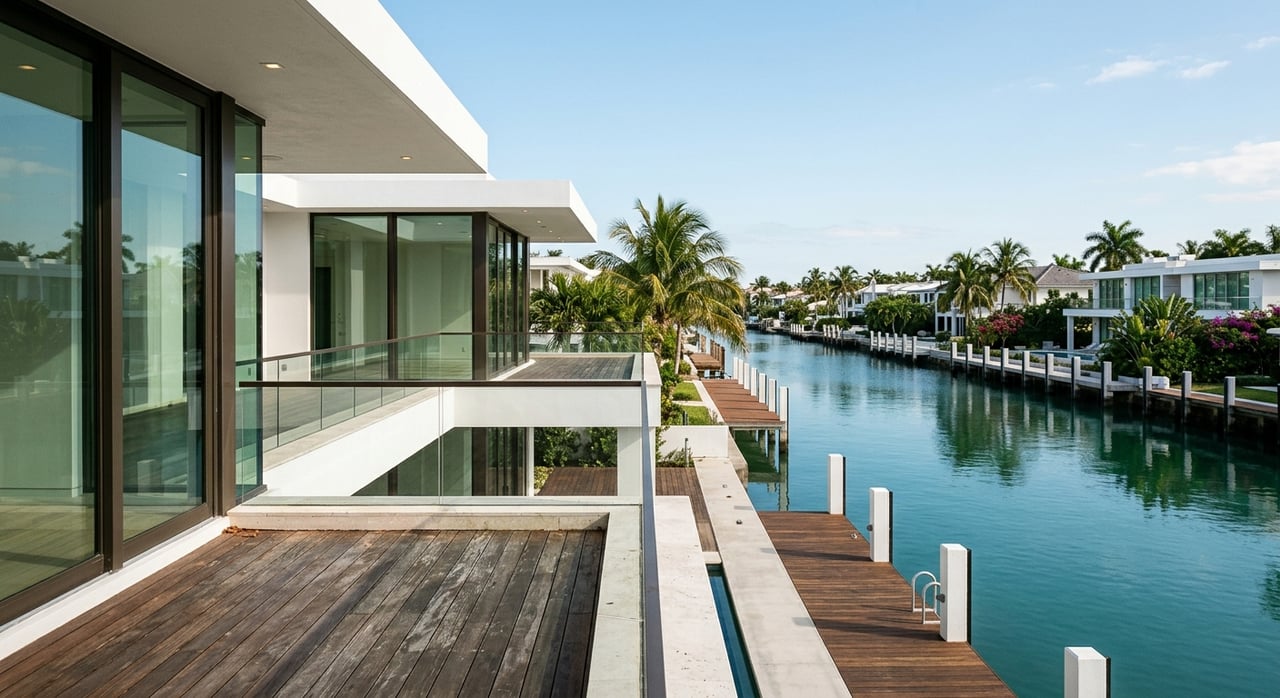
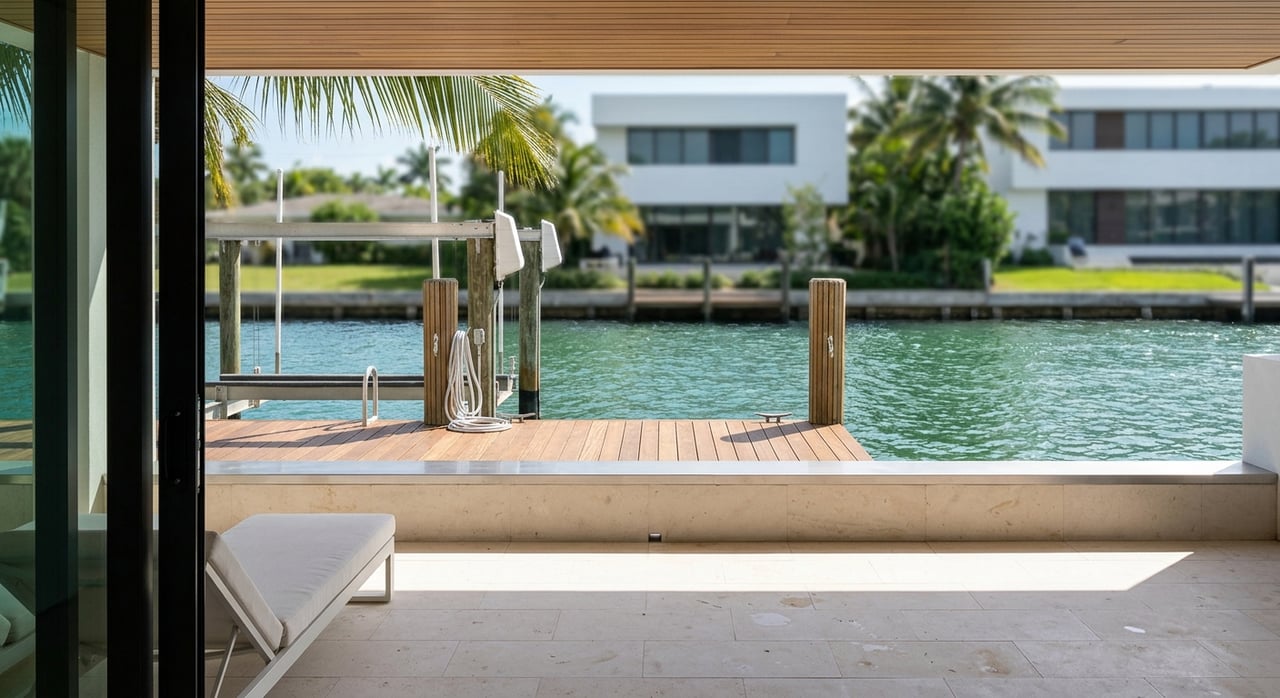
Not all waterfront is the same, especially when you plan to keep a boat in Lighthouse Point. You want the right mix of dock access, low maintenance, and long‑term value without surprises. In this guide, you’ll learn how the city’s main waterfront micro‑neighborhoods differ, who they fit, and what to verify before you buy. Let’s dive in.
The four micro‑neighborhoods
Marina‑adjacent homes
Boating access: You are steps from full‑service slips, fuel, and maintenance. Larger boats often fit better in marina berths than on smaller private docks. Slip availability and rules vary, so you should confirm waiting lists and policies.
Typical homes: A mix of older coastal cottages and newer infill. Lots can be smaller, but you gain easy access to services that simplify boat ownership.
Buyer fit: Seasonal residents, frequent travelers, and owners who prefer professional dockage over private dock upkeep.
Pros and cons:
- Pros: Convenience, service access, less on‑property dock maintenance.
- Cons: Slip fees and rules apply, and you do not control a private dock.
Direct Intracoastal front
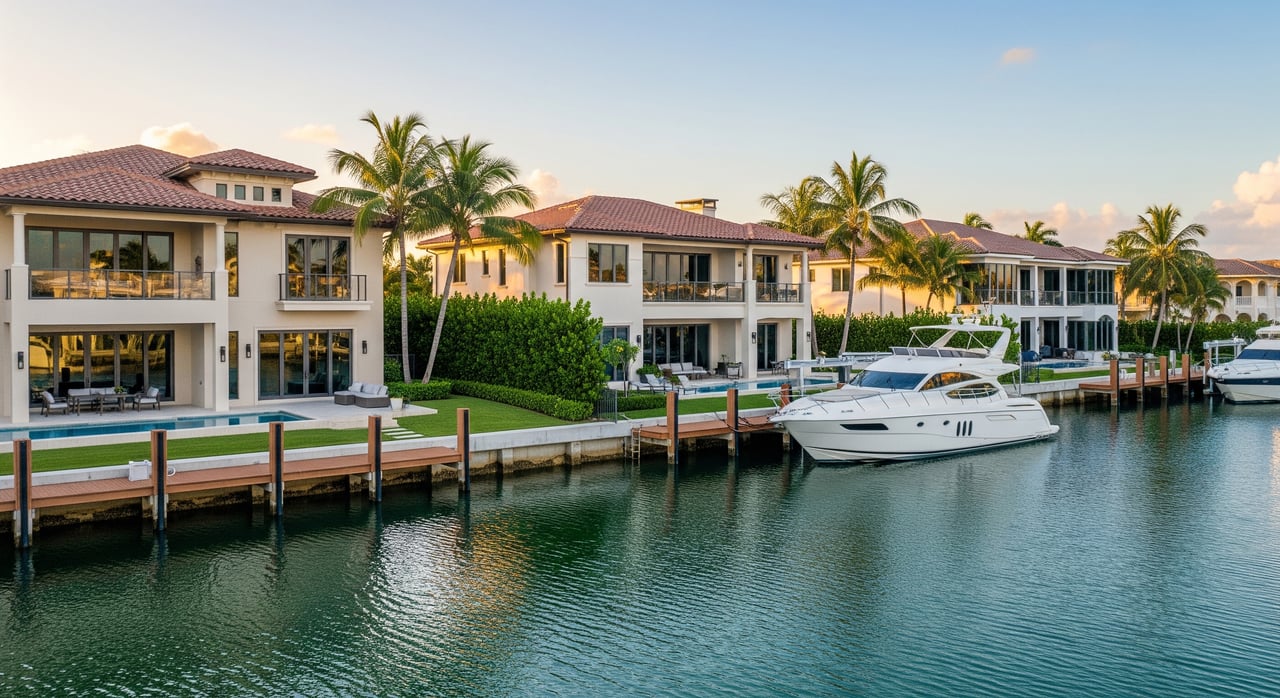
Boating access: You get unobstructed Intracoastal Waterway access with no tight canal turns. This is ideal if you run a larger yacht or frequently cruise along the ICW or head to the ocean via the nearest inlet.
Typical homes: Larger lots, luxury rebuilds, and modern estates are common, often with long docks, multiple slips, and lifts. Seawalls and deeper basins are more typical along this frontage.
Buyer fit: Serious boaters who want private dockage for larger vessels, more privacy, and quick cruising.
Pros and cons:
- Pros: Top‑tier access and dock length, premium lot sizes, strong resale to boat‑centric buyers.
- Cons: Highest pricing tier, more exposure to wake and wind in some stretches.
Interior canal waterfront
Boating access: Good for small to medium boats. Canal depth, turning room, and any fixed bridge clearance will define your maximum length, draft, height, and beam. Expect short transits to the ICW that may include bridges or narrow turns.
Typical homes: A wide range from updated mid‑century ranches to renovated properties. Lots can be narrower, and many owners use boat lifts for center consoles and sport boats.
Buyer fit: Weekend boaters and buyers who want the waterfront lifestyle without paying Intracoastal premiums.
Pros and cons:
- Pros: Mid‑tier pricing, private docks, quieter pockets.
- Cons: Limits on vessel size and draft, value depends heavily on depth and dock permits.
Near‑water, non‑waterfront
Boating access: No private dock. You rely on a marina or a rented slip. You still enjoy the waterfront lifestyle and walkability without seawall maintenance.
Typical homes: Broader mix on standard Broward lots. Often more affordable than waterfront parcels.
Buyer fit: Buyers who value proximity to boating, restaurants, and the ICW, but do not want dock responsibilities.
Pros and cons:
- Pros: Lower overall maintenance, lower exposure to seawall and flood costs.
- Cons: No private dock, slip access depends on third‑party availability.
Boating access checklist
Before you fall in love with a view, verify how a boat actually uses the property. Focus on:
- Dock capacity and permitting. Confirm permitted dock length, slip count, setbacks, and whether you can extend the dock. Ask for any as‑built drawings and active permits.
- Water depth and channel width. Verify mean low water depth, turning room, and canal width from the property to the ICW or inlet. Check for fixed bridges and their vertical clearance.
- Route to the ocean. Estimate travel time to the nearest inlet, and confirm whether your route depends on tides, bridge openings, or narrow basins.
- Marina services. If you plan to use a marina, ask about slip availability, waiting lists, guest policies, and service offerings.
- Tidal and flooding exposure. Review seawall type and elevation in relation to FEMA and Broward maps, and ask about local storm history.
Value drivers in Lighthouse Point
Value on the water is not just about square footage. In this market, buyers compare:
- Dock length and permitted dockage. Longer, properly permitted docks are the single strongest waterfront value driver.
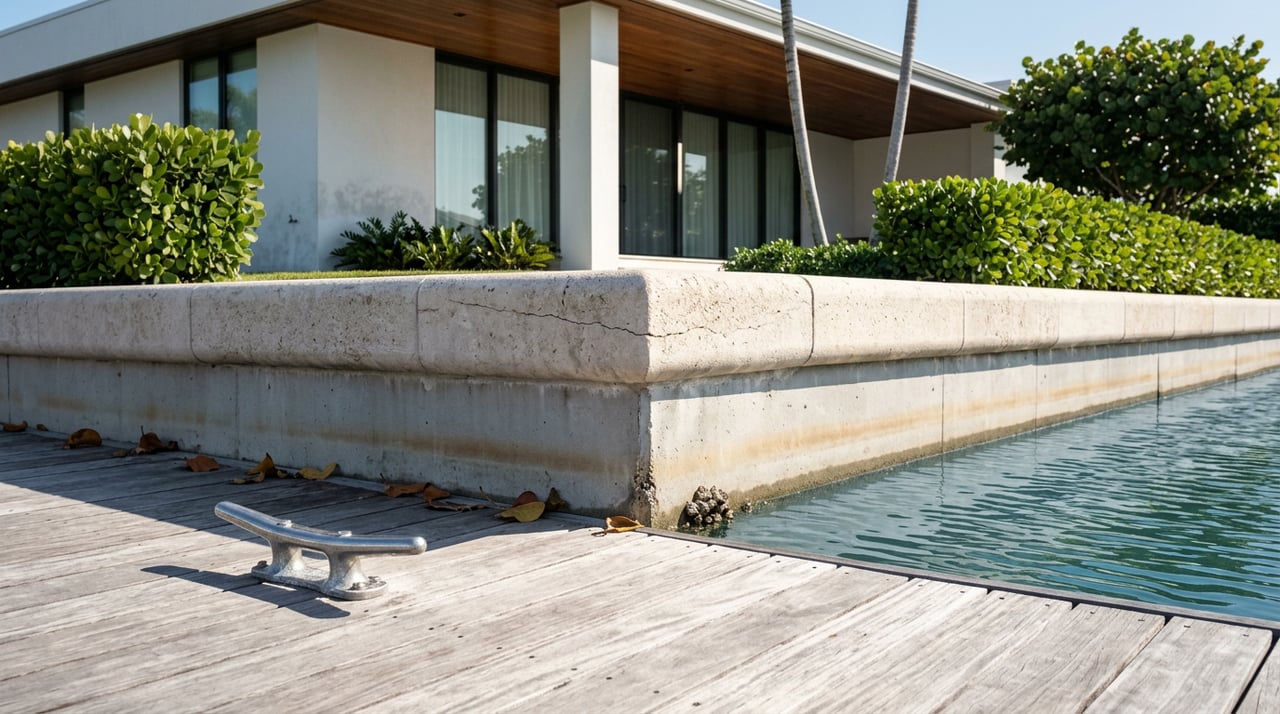
- Seawall age and condition. Replacement is costly. Documented maintenance supports pricing and insurability.
- Lot size and orientation. Sun exposure, wind protection, and basin positioning can affect comfort and dock use.
- Intracoastal vs canal. Direct Intracoastal frontage commands a premium over interior canals.
- Walkability and marine amenities. Proximity to marinas, yacht clubs, and dining adds lifestyle value.
- Flood zone and elevation. These factors affect insurance costs and renovation planning.
- Neighborhood stability. Streets with a consistent resale record can help preserve value.
Quick decision guide
Use this as a starting point, then verify specifics during due diligence:
- I own a large yacht: Look at direct Intracoastal front or marina‑adjacent homes with full‑service slips.
- I run a center console or sport boat: Interior canals with adequate depth and a boat lift are a strong value.
- I want low maintenance near the water: Near‑water, non‑waterfront homes plus a marina slip.
- I want privacy and room for multiple vessels: Direct Intracoastal front with a long permitted dock.
- I am a seasonal user or investor: Marina‑adjacent or near‑water locations may offer easier logistics. Always confirm local rental and permitting rules.
Due diligence checklist
Protect your purchase by documenting the details early in the process.
Property and dock documentation
- Pull municipal and county records for dock and seawall permits and any open violations.
- Obtain dock as‑built drawings or surveys that show permitted length and setbacks.
- Request maintenance records for the seawall, bulkhead, and dock systems.
Boating suitability checks
- Confirm mean low tide depth at the dock and along the route to the ICW or inlet.
- Measure usable turning radius and channel width, ideally with a marine professional.
- Review HOA or municipal rules for boat size, liveaboard status, and fuel storage.
Insurance, flood risk, and resilience
- Check the property’s FEMA Flood Insurance Rate Map designation and any recent updates.
- Get insurance quotes early. Rates vary by elevation, flood zone, and seawall age.
- Confirm coastal construction line, elevation, and code requirements before planning a rebuild.
Environmental and regulatory considerations
- Verify any coastal high hazard designations or county coastal regulations that affect reconstruction.
- Ask about local dredging policies, timing, and depth maintenance.
- Review easements or access strips that could affect how you use the property.
Professional inspections to order
- Licensed marine or boat‑dock inspection for pilings, hardware, and electrical.
- Structural evaluation of the seawall and bulkhead, with a coastal engineer if needed.
- Updated survey and title review for riparian rights, easements, and recorded permits.
- If you own a specific vessel, consult a marine surveyor to confirm fit and route.
How to compare micro‑locations
When you tour homes, keep the comparisons simple and consistent:
- Boating access: Maximum boat size, depth, turning room, and bridge clearance.
- Dock reality: Permitted length, current condition, and expansion potential.
- Maintenance exposure: Seawall age, flood zone, and insurance implications.
- Lifestyle: Walkability to marinas and restaurants, street activity level, and privacy.
- Resale readiness: How the property matches the vertical market of boat‑focused buyers.
Working with a waterfront advisor
Choosing between marina‑adjacent, Intracoastal, interior canal, and near‑water homes comes down to how you boat, how you live, and how you plan to use the property in the long term. A focused waterfront strategy will help you balance access, maintenance, and value, then negotiate from a position of clarity.
If you want a curated shortlist, private showings, and guidance on dock permits, seawalls, and insurance, connect with Maria Montalbano for a concierge plan tailored to Lighthouse Point.
FAQs
How do Lighthouse Point waterfront areas differ?
- Marina‑adjacent offers service convenience, direct Intracoastal front offers top access and longer docks, interior canals offer value with size limits, and near‑water homes trade docks for low maintenance.
What affects the size of boat I can keep?
- Permitted dock length, canal depth at mean low water, turning room, and any fixed bridge clearance determine your safe vessel length, draft, height, and beam.
Do all properties allow dock expansions?
- No. Expansion depends on existing permits, setbacks, environmental rules, and coastal construction limits. Always verify with city and county before assuming feasibility.
Who maintains the seawall on a home?
- In most cases the homeowner maintains the seawall and dock. Ask for age, repair records, and any active permits to estimate future costs.
How can I estimate insurance costs early?
- Gather the FEMA flood zone, elevation data, and seawall condition, then request quotes from multiple carriers. Obtain estimates before you finalize an offer.
Is waterfront living noisy or private?
- It depends on micro‑location. Marina‑adjacent areas feel more active, interior canals are generally quieter except for boat traffic, and Intracoastal frontage varies by exposure and wake.