Comparing Oceanfront and Intracoastal Living on Hillsboro Mile
November 21, 2025
November 21, 2025
If you love Hillsboro Beach, the big decision often starts with a simple question: do you want the Atlantic at your doorstep or a private dock on the Intracoastal? Both sides of Hillsboro Mile offer a rare waterfront lifestyle, but the day-to-day experience, upkeep, and regulations can be very different. You want to choose with confidence, and that begins with clear, local insight. In this guide, you’ll learn the lifestyle differences, cost drivers, and key checks that help you compare oceanfront and Intracoastal living along Hillsboro Mile. Let’s dive in.
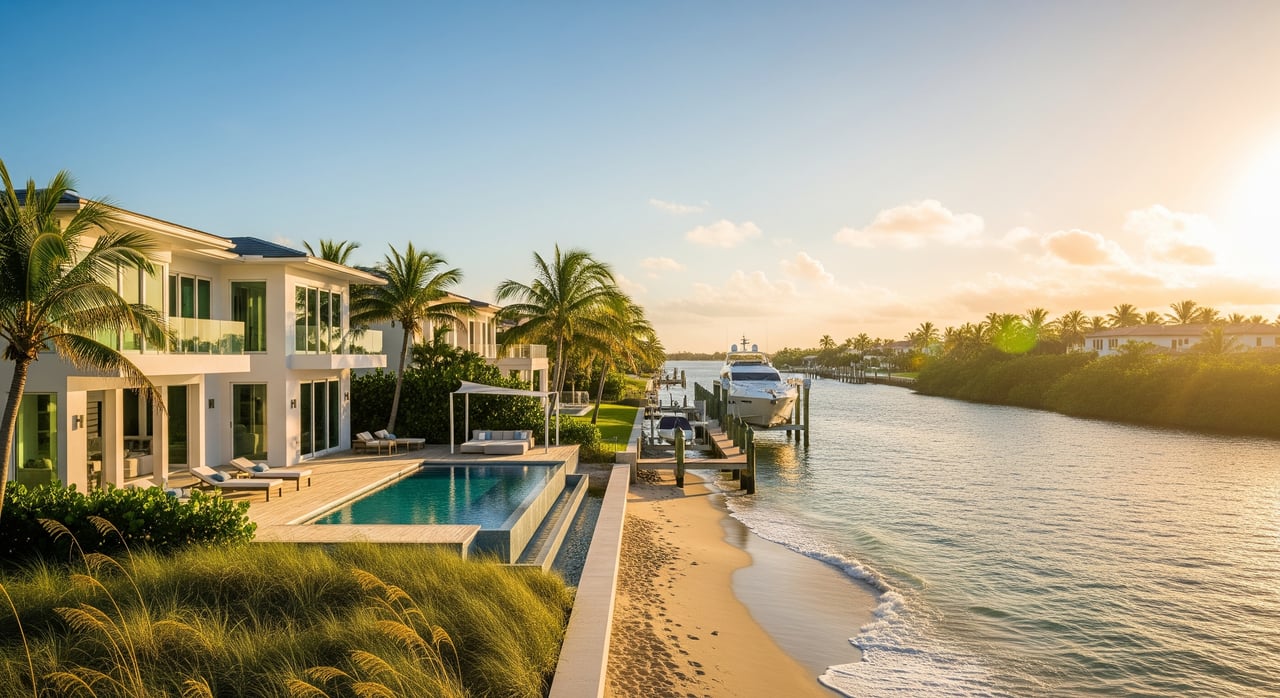
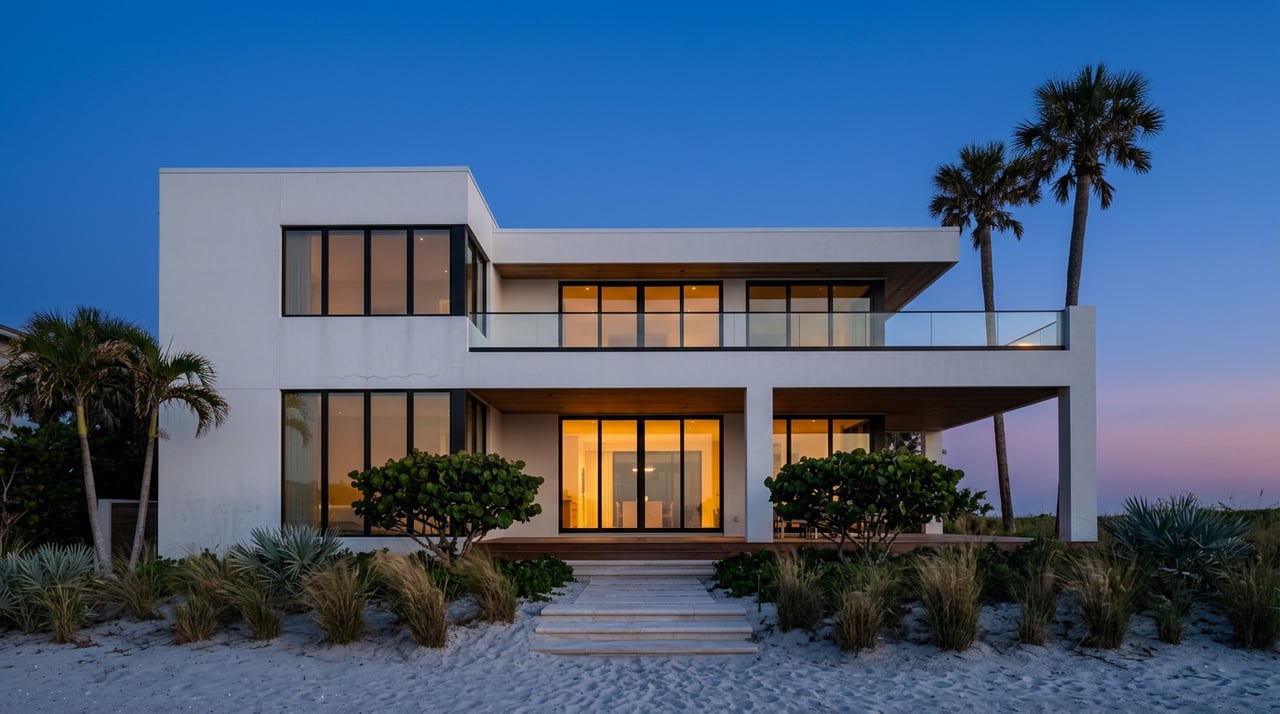
Wake up to unobstructed Atlantic views and sunrise light. You step onto a sandy beach, hear the surf, and feel steady ocean breezes. That ocean energy is a big part of the appeal, and it is why oceanfront parcels typically command a premium when all else is equal.
On the beach side, you may see more visitor activity near public access points. Wind and wave noise can be stronger, especially during onshore conditions. The tradeoff is direct beach access and a natural, open view that is hard to match.
Oceanfront homes also face stronger salt spray and more direct storm exposure. Materials and finishes need to stand up to corrosion, and systems like windows, doors, and roofing benefit from hurricane-rated protection.
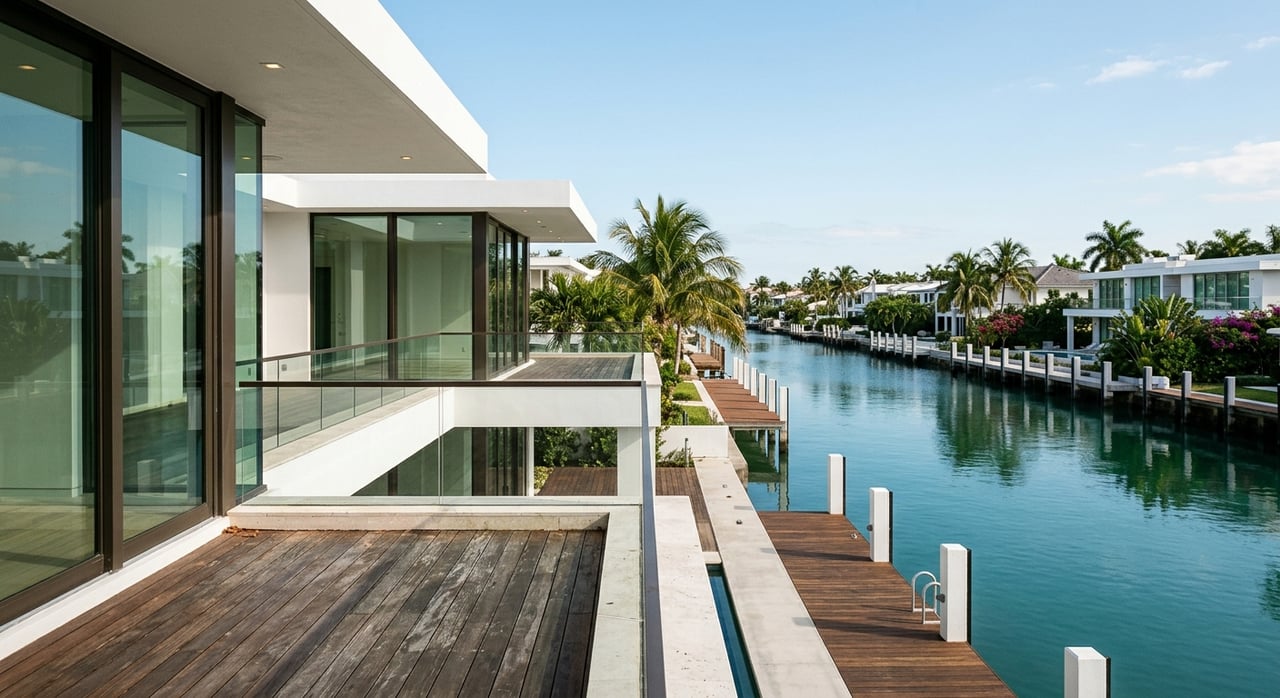
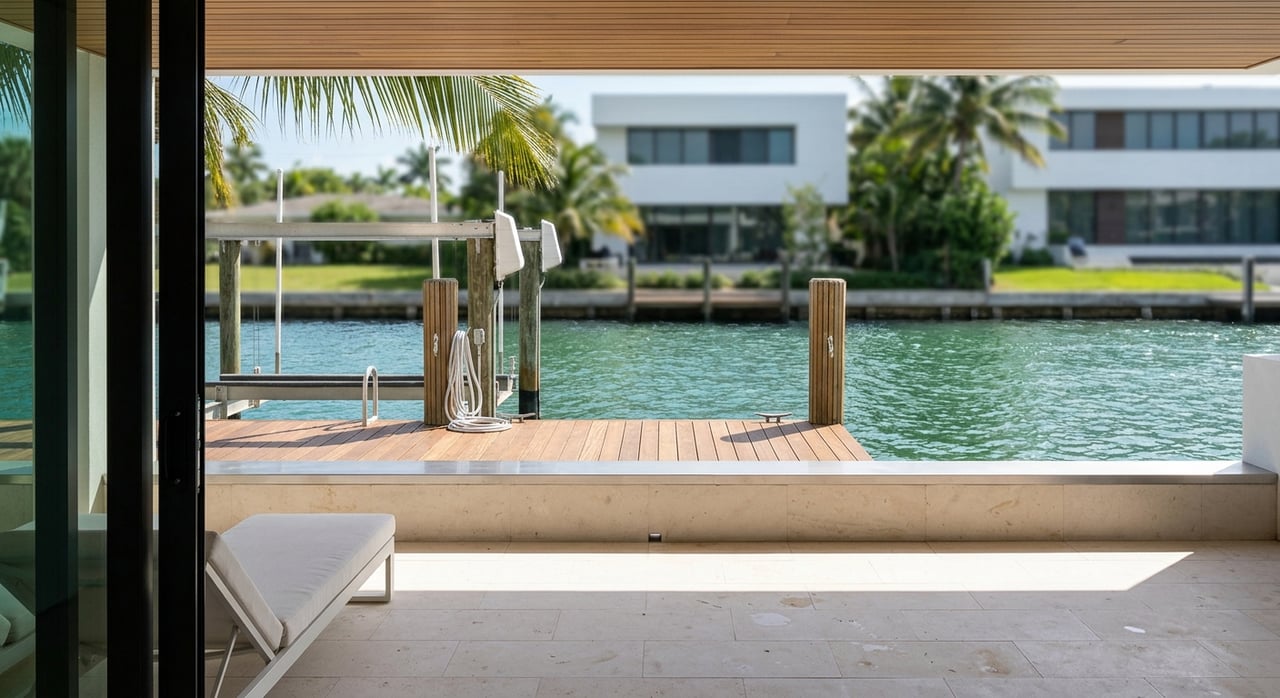
The Intracoastal side is all about calmer water views, sunsets, and protected access for boating and kayaking. Many properties include seawalls, lifts, and private docks, which can be a major lifestyle advantage if you own a boat.
You will notice less tourist foot traffic, but you may see regular boat activity. Wakes can affect seawalls and docks, so maintenance planning matters. The overall feel is quieter from a beachgoer standpoint, with a focus on life on the water.
Tides and draft influence boat size and usability. Dock size and placement are regulated, so you will want to confirm permits and allowable configurations before you buy or renovate.
If boating is central to your lifestyle, the Intracoastal side usually fits better. If your priority is daily beach walks and sunrise views, oceanfront may be the right call.
Along Hillsboro Mile, both sides of the island are coastal, and neither is risk-free. Many oceanfront parcels fall within higher-risk FEMA flood zones such as VE, which can lead to higher flood insurance requirements and premiums. Intracoastal parcels may sit in AE or VE zones depending on elevation and proximity to the water.
Flood insurance is commonly written through the NFIP or private carriers, and windstorm coverage is a major expense throughout Broward County. Lenders typically require flood insurance in Special Flood Hazard Areas and often request an Elevation Certificate for accurate rating.
Wind mitigation features can reduce premiums. Look for hurricane-rated windows and doors, a fortified roof system, and elevated or protected mechanicals. If you are financing, get sample flood and wind insurance quotes early so you can compare total carrying costs.
Salt, sun, and water drive maintenance on both sides of the island, but the work looks different depending on your location.
On either side, budget for storm-related repairs, periodic inspections, and long-term capital items like seawall or roof renewal.
Waterfront living comes with layered rules from local, state, and federal agencies. Understanding the framework upfront helps you avoid surprises.
Oceanfront views and direct beach adjacency are scarce, and that scarcity often supports a price premium compared with similar Intracoastal parcels. That said, overall value depends on many factors, including elevation, construction quality, insurance costs, lot size, and the condition of key systems.
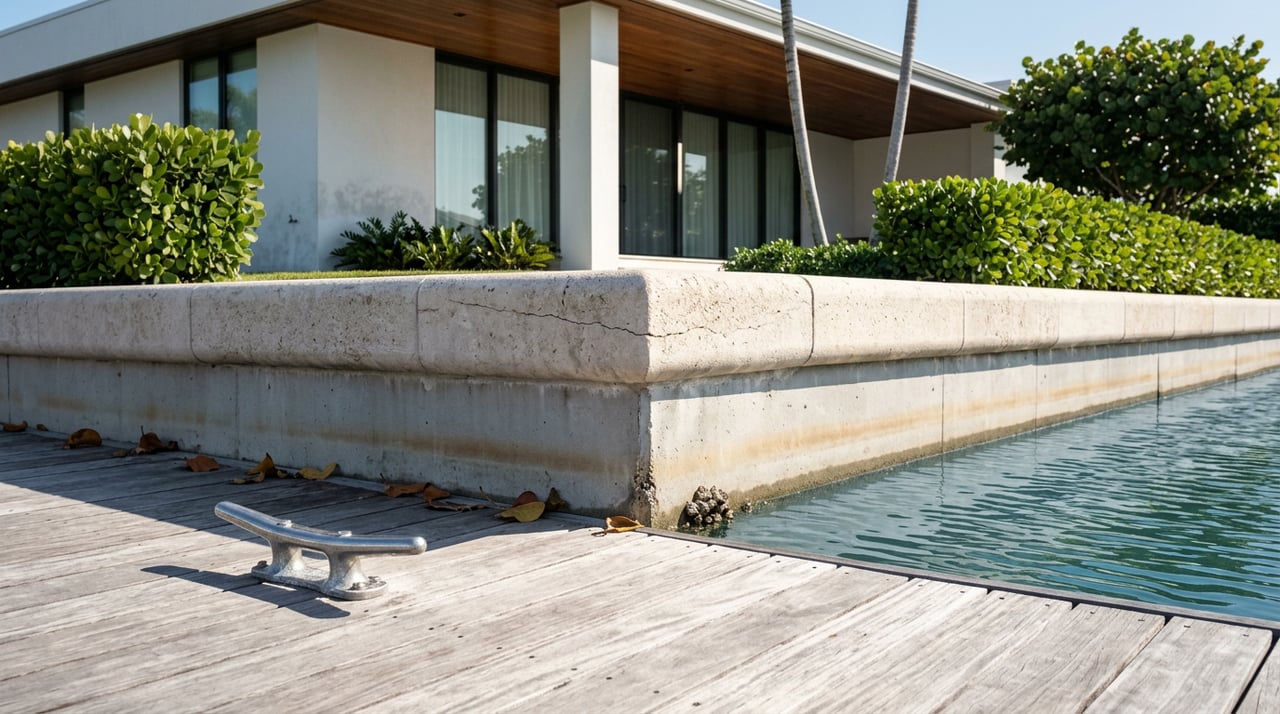
On the Intracoastal, a high-quality dock with adequate depth and smart layout can draw strong demand from boaters. Seawall age, material, and documented maintenance influence financing, insurability, and buyer confidence.
When you evaluate resale potential, focus on the fundamentals: view quality, structural resilience, elevation, insurance history, and the quality of improvements and permits. These elements tend to matter across market cycles.
Use this checklist early in your search to compare options and plan with confidence.
For both oceanfront and Intracoastal:
Oceanfront-specific:
Intracoastal-specific:
Choose oceanfront if you want direct beach access, sunrise views, and you are comfortable with higher exposure to salt, wind, and potential storm surge. Expect a more intensive exterior maintenance plan and coastal permitting for many projects.
Choose Intracoastal if boating is central to your life and you want protected waters, private dock convenience, and sunset views. Plan for seawall and dock upkeep and be mindful of wakes and tidal depth.
Both choices can be outstanding. The best fit comes from aligning your day-to-day lifestyle with the property features, permits, and ongoing costs that support it.
If you are weighing both sides of Hillsboro Mile, you deserve tailored guidance and a smooth, discreet process. Florida Castles delivers a boutique, concierge experience with deep local waterfront expertise, from curated showings to virtual tours and full-service transaction management. Ready to compare properties with clarity? Connect with Maria Montalbano for a private consultation and personalized market review.

What Buyers and Sellers Need to Know About the Fort Lauderdale Real Estate Market Right Now.

A Complete Guide to Preparing to Sell Your Home in Fort Lauderdale Before the Sign Goes Up.

A Seller's Guide to the Home Selling Process in Fort Lauderdale From Contract to Close.

What Sellers Need to Understand About Buyer Psychology When Selling Your Home in Fort Lauderdale.
If you are relocating to South Florida, let me know the needs of your ideal real estate purchase, and my team and I will conduct in-depth market research to prepare the properties for your viewing upon arrival or virtual showing.