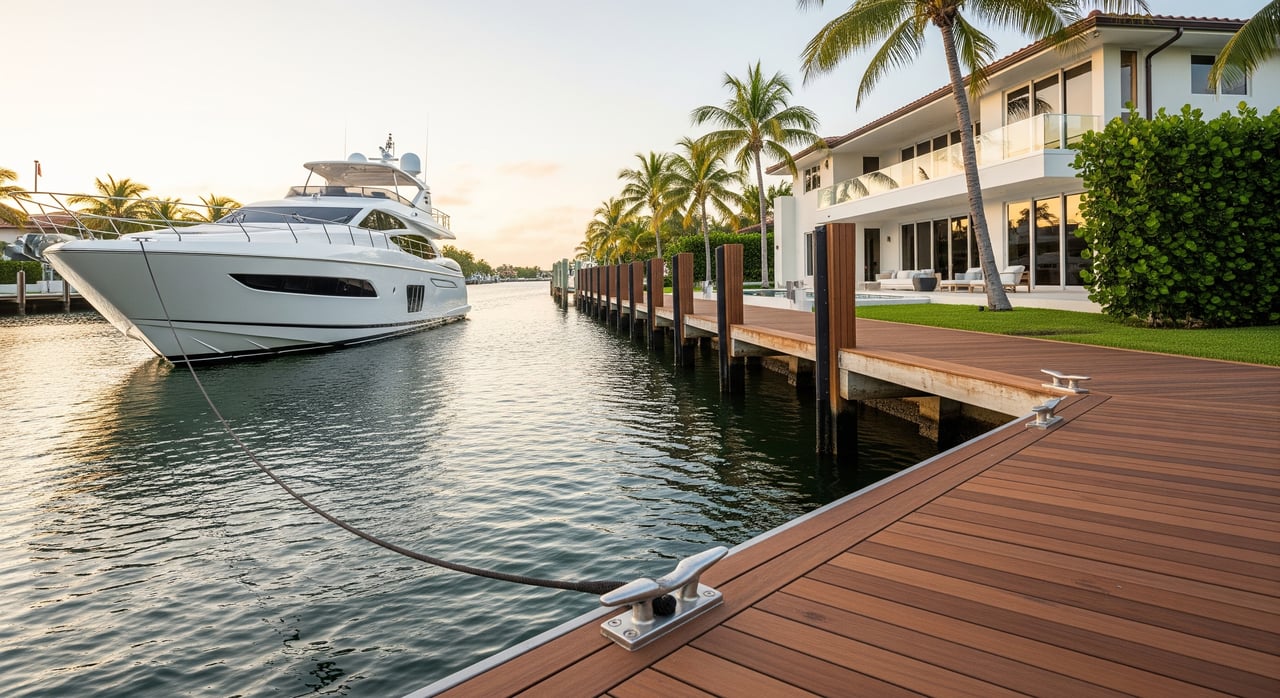
A Day On The Water In Lighthouse Point
February 12, 2026
February 12, 2026
You know a place is special when a simple morning on the water feels like a mini vacation. In Lighthouse Point, calm canals, quick access to the Intracoastal Waterway, and a dock-to-dine culture make boating part of everyday life. If you are exploring a move here, you want to understand not just the scenery, but the rhythms, rules, and simple logistics that shape a perfect day afloat. This guide walks you through a full day on the water, plus smart tips for safety, seasonality, and waterfront ownership. Let’s dive in.
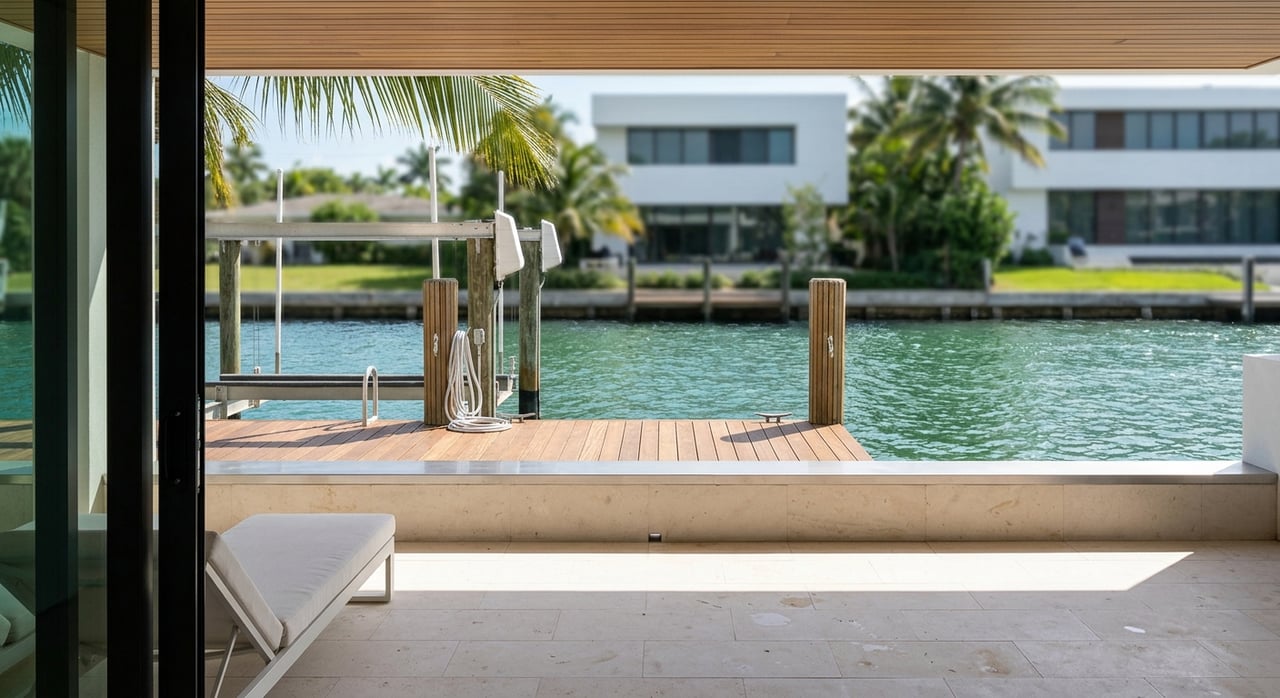
The day begins quietly, with soft light on the pilings and a faint salt breeze. You idle out from a private dock or local marina, coffee in hand, and ease through Lighthouse Point’s canal network toward the Intracoastal. Mornings are usually smoother and less crowded, which makes them ideal for short cruises or a quick line in the water.
Check the tides and marine forecast before you cast off. Tidal swings affect clearance at fixed bridges and the feel of the currents along the Intracoastal. Always carry required safety gear and follow Florida Fish and Wildlife Conservation Commission (FWC) rules for life jackets, sound devices, and navigation lights.
Even if you keep your boat at home, a quick marina stop can set you up for the day. Top off fuel, grab ice, and ask about any local navigation notices. Many marinas offer pumpout, washdown, and basic supplies. If you expect weekend crowds, call ahead for transient slip availability and ask about timing and procedures for arrivals.
When hurricane season runs from June 1 to November 30, ask staff about haul-out or dry-stack plans. Policies often require pre-registration, so it helps to get on a list well before the peak of the season.
By mid-morning, you are cruising the Intracoastal with views of palm-lined shorelines and a steady parade of boats. Keep your wake down in posted slow or no-wake zones and be courteous when passing smaller vessels. Manatee protection areas can be seasonal, so watch for signs and follow posted speeds to protect wildlife and avoid penalties.
If you are planning a nearshore run, consult nautical charts and current marine forecasts for visibility, wind, and seas. Local conditions change quickly, and summer afternoons can bring pop-up thunderstorms, so planning earlier outings is often best.
Pulling up to a waterfront restaurant is part of the fun. Many spots along the Fort Lauderdale–Pompano corridor welcome boaters, often with transient slips. Call ahead to confirm availability, slip length, and any time limits, especially on busy weekends and holidays.
A few quick tips help the experience go smoothly:
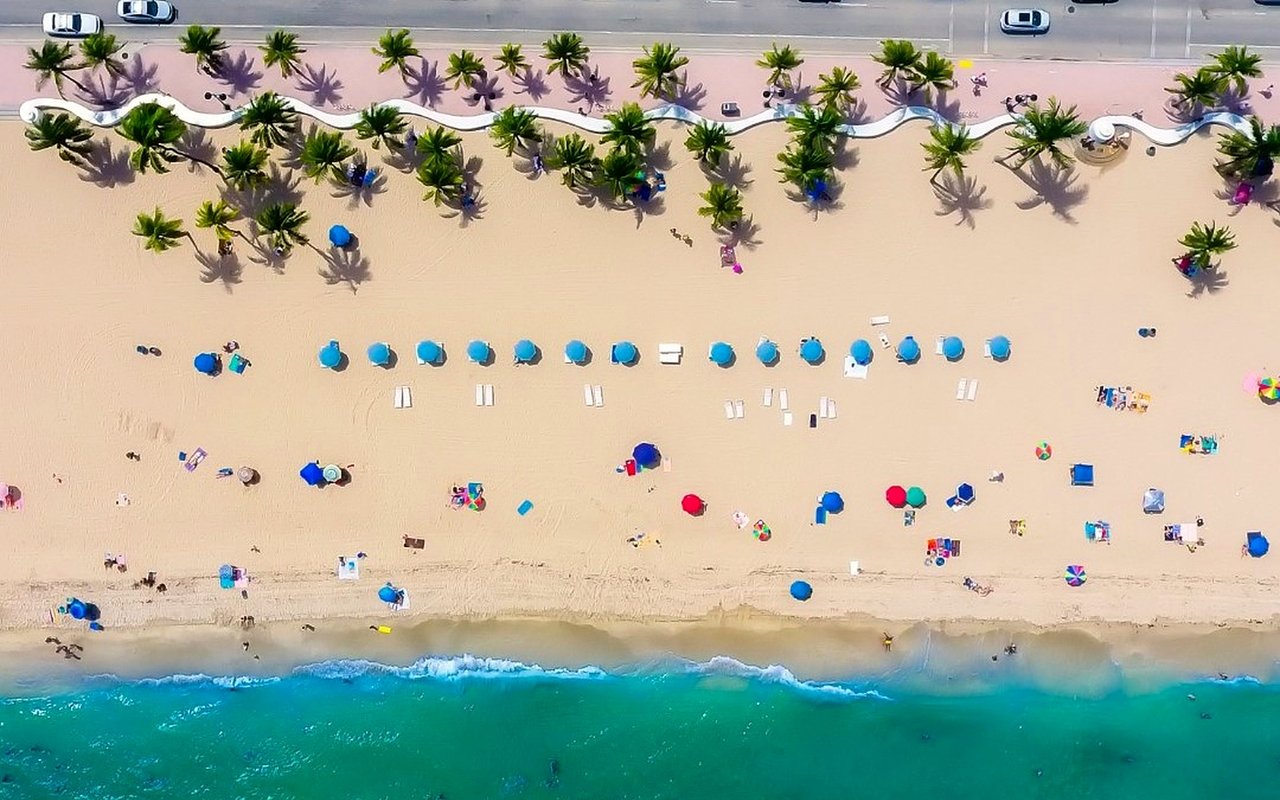
After lunch, you can shift into beach mode or head for a quiet park. Public beaches across the Fort Lauderdale–Pompano Beach–Deerfield Beach area offer swimming, sunbathing, and pier strolls. Parks nearby often include picnic shelters, playgrounds, and space to stretch out between cruises.
If you like active time, pack snorkel gear or a paddleboard. Calm Intracoastal stretches and mangrove edges can be great for an easy paddle. Always check local beach and water quality advisories before swimming, and keep an eye on flags and posted conditions.
As the sun drops, you ease back through the canals for an unhurried return. Tie off with clean lines, rinse salt from your fittings, and stow gear. A quick check of bilge pumps, shore power, and dock lights sets you up for a worry-free evening. It is a simple routine that protects your boat and keeps your dock looking its best.
If you are considering a move to Lighthouse Point, the waterfront details matter as much as the floor plan. Here are key points to keep in mind when evaluating a home or marina option:
South Florida’s weather can change quickly. Summer brings heat, higher sun exposure, and frequent afternoon storms. Winter often delivers clearer, drier days with brisker breezes.
With a little planning, a day on the water in Lighthouse Point becomes the best part of your week. If you are ready to explore canal-front homes, private docks, and the neighborhoods that match your boating style, connect with Maria Montalbano for concierge guidance and a private market review.

What Buyers and Sellers Need to Know About the Fort Lauderdale Real Estate Market Right Now.

A Complete Guide to Preparing to Sell Your Home in Fort Lauderdale Before the Sign Goes Up.

A Seller's Guide to the Home Selling Process in Fort Lauderdale From Contract to Close.

What Sellers Need to Understand About Buyer Psychology When Selling Your Home in Fort Lauderdale.
If you are relocating to South Florida, let me know the needs of your ideal real estate purchase, and my team and I will conduct in-depth market research to prepare the properties for your viewing upon arrival or virtual showing.