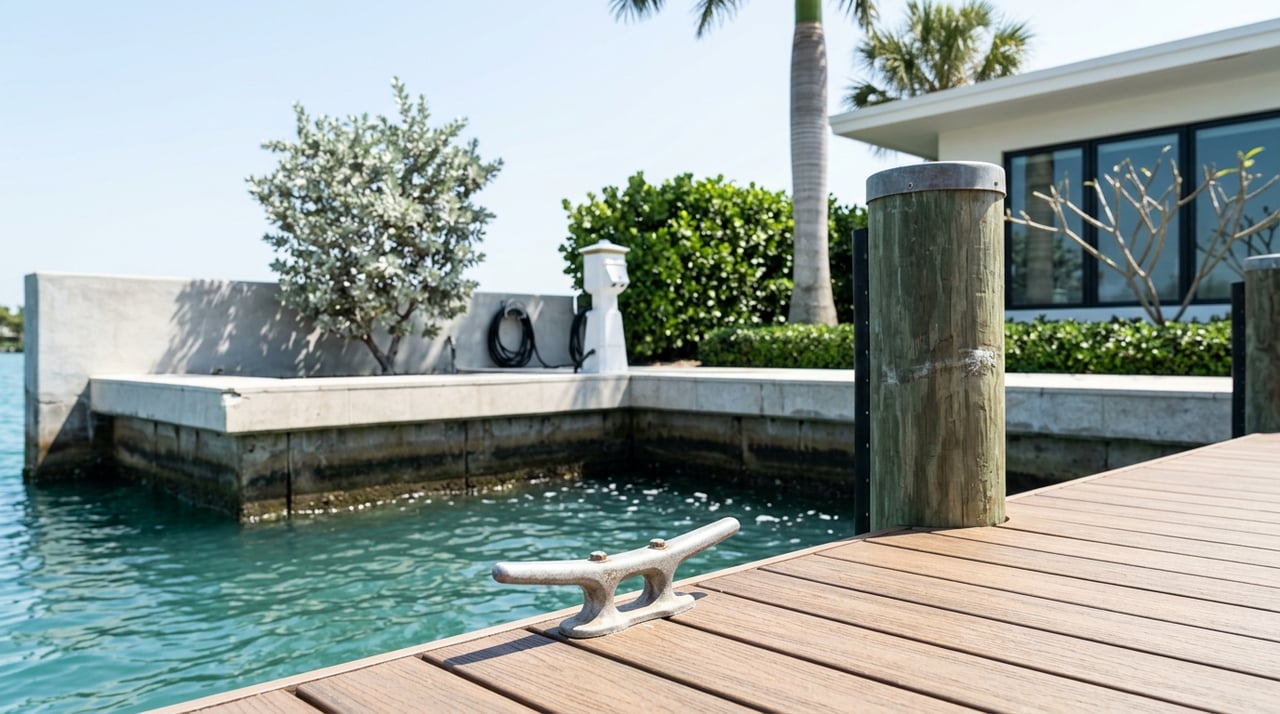
Bay Colony For Yacht Owners: Evaluating Canals And Dockage
April 16, 2026
April 16, 2026
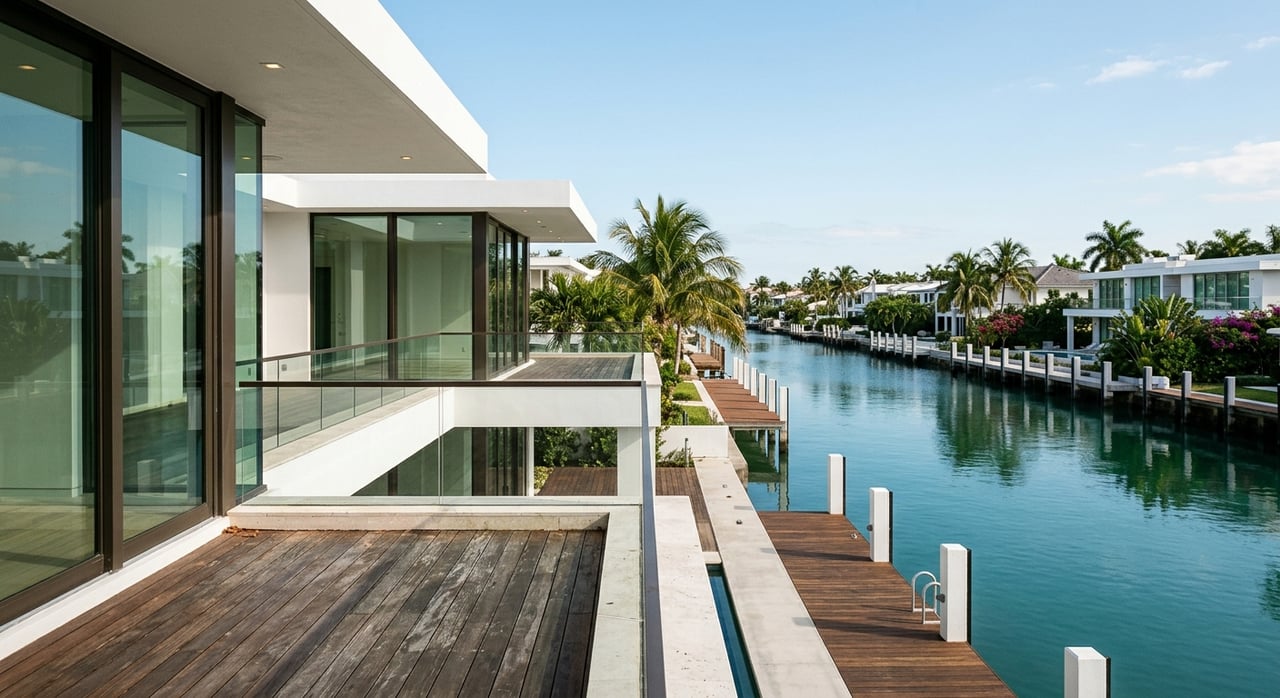
If you own a yacht, you already know that not all waterfront addresses are created equal. A home can sit on the water and still fall short on canal width, turning room, dock layout, or the kind of access your vessel actually needs. In Bay Colony, those details matter even more because the neighborhood is known for private waterfront living with strong boating appeal. This guide will help you evaluate Bay Colony canal conditions, dockage potential, and the parcel-specific checks you should make before you buy. Let’s dive in.
Bay Colony in Fort Lauderdale is widely recognized as a private, low-density waterfront enclave built around boating access. Local waterfront sources describe it as a gated neighborhood with roughly 110 to 114 residences, along with no fixed bridges and ocean access through Hillsboro Inlet or Port Everglades, which is a major advantage for buyers focused on yacht use rather than just water views. You can see this neighborhood context reflected in local community overviews.
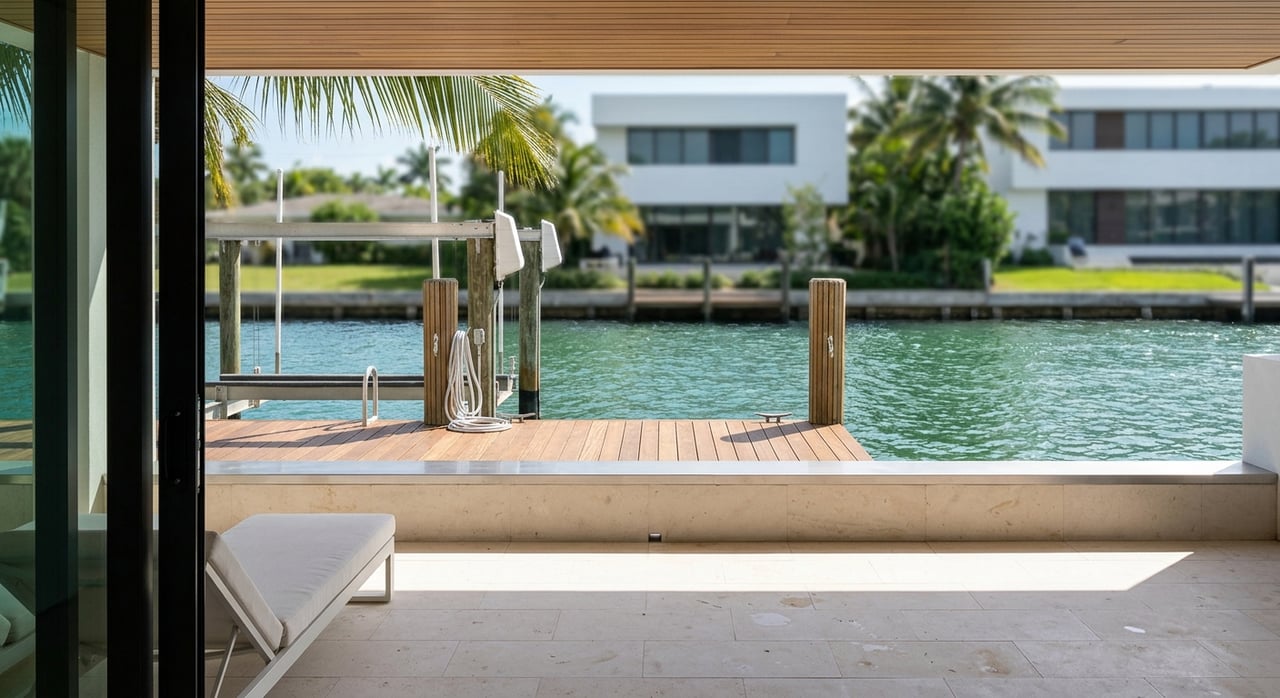
For many buyers, the appeal comes down to how naturally dockage fits into the neighborhood. In Bay Colony, waterfront frontage and boat access are often part of the original lot design, not a later add-on. Recent property marketing in the area has highlighted features such as unrestricted saltwater access, private dockage, and lot configurations that can support larger vessels, including some listings that reference accommodations for boats over 100 feet, as shown in current Bay Colony property examples.
When you evaluate a yacht property, canal width is one of the first practical questions to ask. Bay Colony is often described as having canals in the 90-foot range, with some stretches opening up to roughly 100 to 140 feet, while other parcels present more like open-water settings than traditional canal-front lots.
That variation is important because it means you should not treat every Bay Colony property the same. A point lot, a wider exposure, or a parcel near a more open turning area may offer a very different handling experience than a standard interior canal lot. Local neighborhood commentary also notes that parts of the east side of Bayview Drive benefit from wide canals and generous turning areas, which supports Bay Colony’s reputation as a strong option for serious boaters in Fort Lauderdale, according to this community guide.
A canal may look wide enough on paper but still be awkward for your vessel if the approach or turning area is tight. That is why experienced buyers look beyond frontage numbers and focus on how the boat will actually move from the dock to open water.
In Bay Colony, the usable boating experience depends on the geometry of the specific parcel and its position within the waterway layout. Some lots benefit from broader water exposure, while others require more careful maneuvering. If you are shopping for a larger yacht property, this is one area where a survey and a close review of the canal approach can save you from making assumptions based on neighborhood reputation alone.
One of the strongest signs that Bay Colony appeals to yacht owners is the range of dockage examples seen in current listings. These are not all identical, but they show what is possible when the lot, seawall, and dock improvements line up well.
Examples currently marketed in Bay Colony include:
These examples, shown in active Bay Colony listing information, make one thing clear: Bay Colony can work very well for yacht owners, but the fit is lot-specific, not automatic.
If you are buying in Bay Colony for yacht use, your review should go beyond the home itself. You want to confirm that the parcel supports your vessel today and still makes sense for your long-term boating plans.
Start with these key checks:
This verification process is especially important in Fort Lauderdale because dock compliance is tied to parcel-level measurements, not just neighborhood marketing language.
Fort Lauderdale has clear requirements for boat and waterway permitting. Under the city code, a dock permit application must include a survey of the upland parcel and adjacent waterway, with side property lines and setback lines extended into the water. The code also states that a boat moored to a structure may not extend more than 30 percent of the canal or waterway width measured from the recorded property line, and it requires a five-foot setback from the extended side-yard property line. You can review those standards in the Fort Lauderdale code of ordinances for boats and waterways.
For buyers, this matters because a large yacht may physically fit at a property but still need to be evaluated against code-based dock and mooring limits. That is why the real question is not “Can Bay Colony handle large yachts?” but “Can this specific lot legally and practically handle your yacht?”
Even in an established waterfront neighborhood, the boating environment is not static. Public infrastructure projects can temporarily affect canal conditions, access, or maneuvering space.
For example, the City of Fort Lauderdale noted during its 2025 Bayview Drive seawall work that the canal east of Bayview Drive could experience reduced width during construction. That update, shared in the city’s Bayview Drive seawall project notice, is a useful reminder to check for current public works activity before you assume a route will feel the same as it did a year ago.
This is one of the most important takeaways for yacht owners. Bay Colony is not a one-size-fits-all boating neighborhood, even though it has a strong reputation for waterfront access.
Some homes are better suited to buyers with larger vessels who need broad frontage, wide approach angles, and substantial dockage. Others may be ideal for smaller yachts, dayboats, or owners who value the privacy and location first and the dock setup second. In other words, the right property depends on your vessel, your operating style, and how much flexibility you want at the dock.
It also helps to understand that Bay Colony’s single-family waterfront lots are different from condo-based boating options nearby. In separate communities such as Bay Colony Club, dockage is often marketed on a smaller scale, with examples showing availability for vessels up to 50 feet and sometimes subject to separate rental or availability rules.
That contrast reinforces why Bay Colony stands out for buyers seeking a more private residential setting with lot-controlled dockage potential. If your goal is meaningful private yacht access, Bay Colony’s single-family format may offer a very different ownership experience than a condo community with shared or limited dock inventory.
If Bay Colony is on your shortlist, the smartest approach is to evaluate each property through both a lifestyle lens and a vessel-performance lens. You want the neighborhood privacy and waterfront prestige, but you also want confidence that your yacht can be docked, maneuvered, and used with ease.
That means reviewing the survey, measuring the dock envelope, studying the approach, and confirming permit history before you move forward. In a neighborhood known for luxury waterfront living, those details are what separate a beautiful address from a truly functional yacht property.
If you are considering buying or selling in Bay Colony, Maria Montalbano offers Fort Lauderdale waterfront expertise, concierge-level service, and the local market insight needed to evaluate high-value canal and dockage properties with confidence.
What Buyers and Sellers Need to Know About the Fort Lauderdale Real Estate Market Right Now.

A Complete Guide to Preparing to Sell Your Home in Fort Lauderdale Before the Sign Goes Up.
A Seller's Guide to the Home Selling Process in Fort Lauderdale From Contract to Close.

What Sellers Need to Understand About Buyer Psychology When Selling Your Home in Fort Lauderdale.
If you are relocating to South Florida, let me know the needs of your ideal real estate purchase, and my team and I will conduct in-depth market research to prepare the properties for your viewing upon arrival or virtual showing.