By Maria Montalbano
Buying a home in Fort Lauderdale is one of the most meaningful financial decisions you'll make, and the inspection process is where that decision either gets protected or exposed. I've guided buyers through purchases across neighborhoods from Victoria Park to Harbor Beach, and I can tell you firsthand: what gets uncovered during an inspection can save you from a costly surprise after closing — or give you real leverage at the negotiating table. Before you schedule an inspector, here's what you need to understand about how this process works in South Florida specifically.
Key Takeaways
-
Fort Lauderdale's climate creates inspection concerns that differ significantly from other markets
-
Standard inspections often need to be supplemented with Florida-specific add-ons
-
Waterfront and older properties carry particular risk areas worth prioritizing
-
Knowing how to act on inspection findings is just as important as getting the inspection done
Fort Lauderdale's Climate Makes Inspections Non-Negotiable
South Florida's heat, humidity, salt air, and storm exposure put homes through conditions that buyers relocating from other parts of the country often underestimate. An inspection here isn't a formality — it's a genuine window into how well a property has held up against a demanding environment. Even homes in well-maintained neighborhoods like Coral Ridge or Sailboat Bend can show signs of climate-related wear if routine upkeep was deferred.
What South Florida's Climate Puts Most at Risk
-
Roofing systems exposed to UV degradation, wind uplift, and seasonal storm impact
-
HVAC units that run year-round and wear out considerably faster than in cooler climates
-
Wood framing and subflooring susceptible to moisture intrusion and mold growth
-
Exterior stucco, sealants, and paint that deteriorate faster in salt-heavy coastal air
-
Windows and doors that may no longer meet current impact-resistance standards
These aren't hypothetical concerns — they're the items I see flagged most consistently in inspection reports across Fort Lauderdale's existing housing stock.
What a Standard Inspection Covers — and What It Doesn't
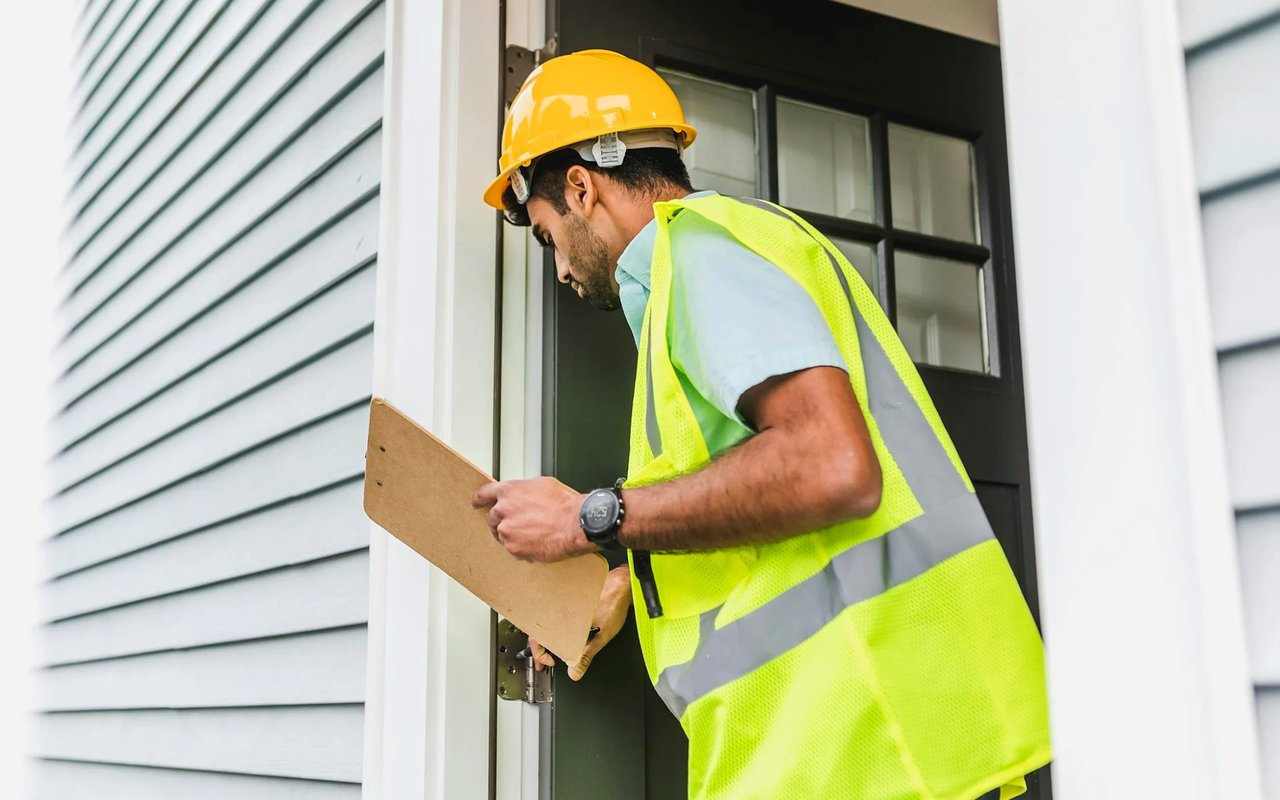
A licensed home inspector will evaluate the major systems and structural components of the home: roof, foundation, HVAC, plumbing, electrical, windows, and doors. That's a solid baseline, but in South Florida it's rarely sufficient on its own. I consistently recommend buyers go beyond the standard report.
Additional Inspections Worth Adding
-
Wind mitigation report: documents hurricane-resistance features and can meaningfully lower your insurance premium
-
Four-point inspection: covers roof, electrical, plumbing, and HVAC — often required by insurers for older homes
-
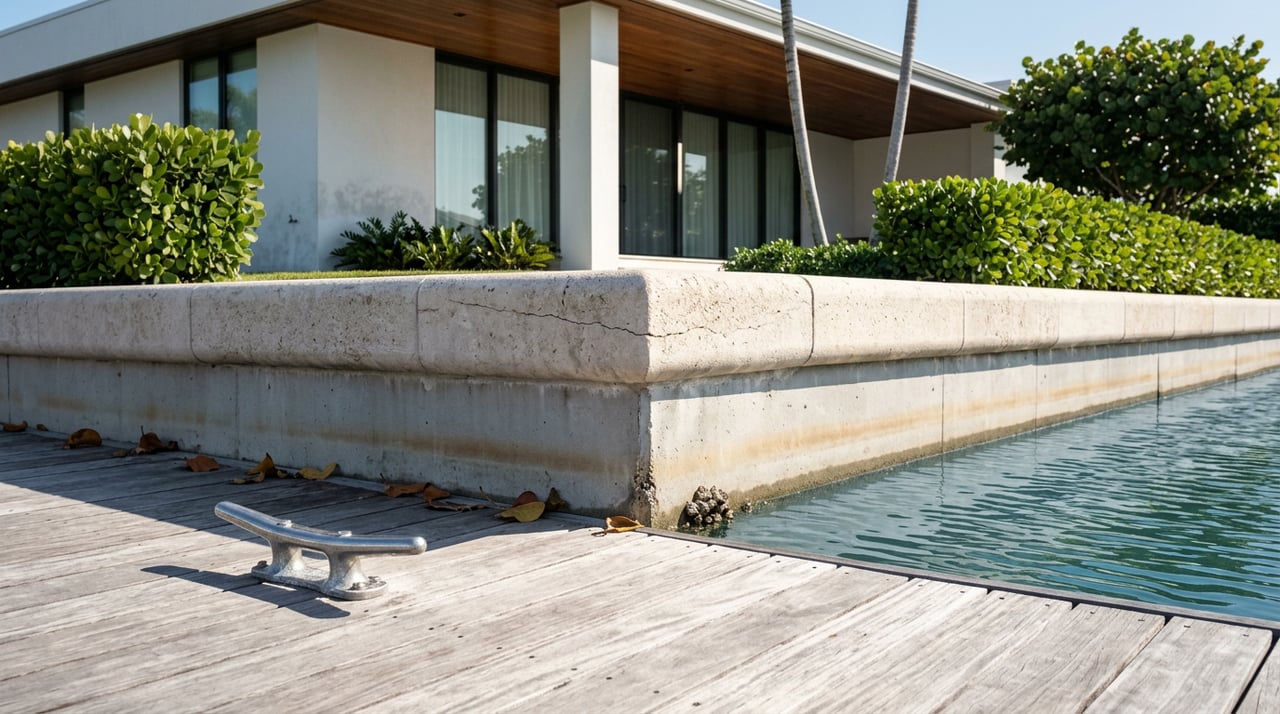
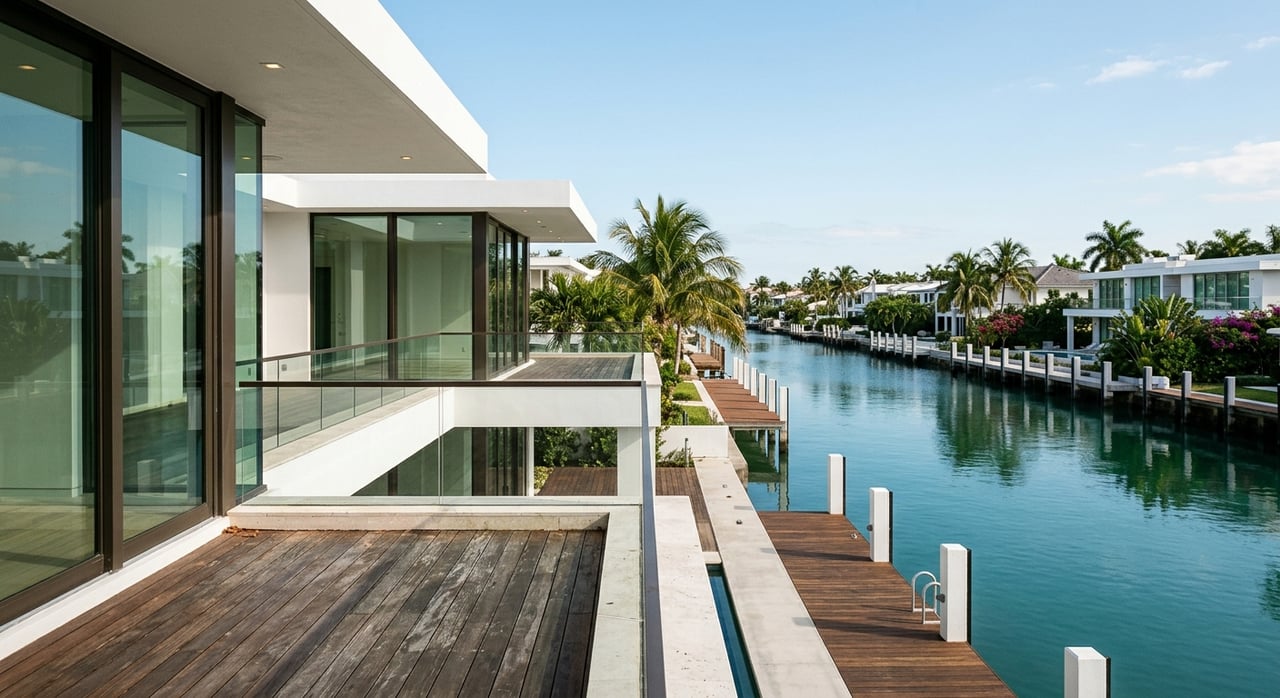
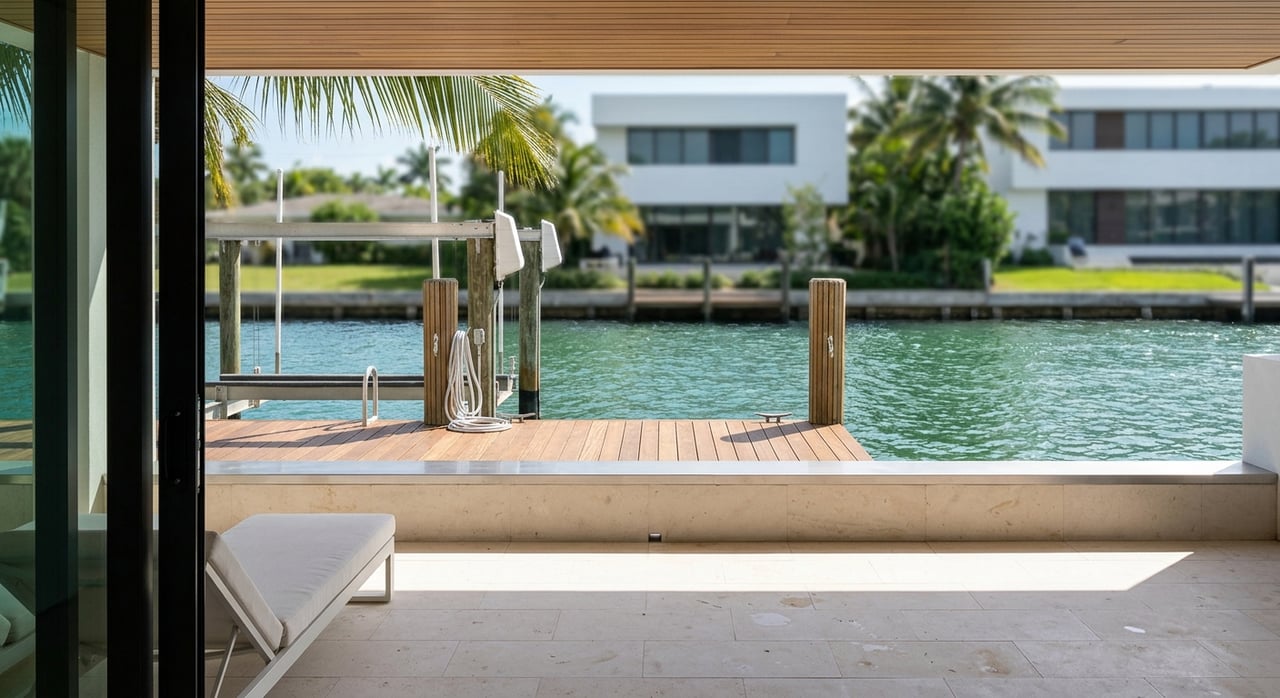
Seawall and dock inspection: essential for any waterfront property along the Intracoastal or New River
-
Pool and spa inspection: warrants a separate specialist, as these systems are rarely covered in depth by a general inspector
-
Mold and air quality testing: especially relevant in homes with older HVAC systems or any visible water staining
The cost of these add-ons is modest. The cost of discovering a failing seawall or a compromised roof after closing is not.
How to Act on What the Inspection Finds
Getting the report is only half the work. How you respond to the findings is where buyers can protect themselves — or leave money on the table. Not every flagged item is a dealbreaker, and not every finding warrants a repair request. I walk my clients through their reports carefully so they know exactly what they're looking at.
How to Prioritize Inspection Findings
-
Safety issues: electrical hazards, structural failures, or active roof leaks require immediate resolution
-
Major system concerns: a failing HVAC, aging water heater, or plumbing issues are worth negotiating on directly
-
Deferred maintenance: these items can often be addressed with a closing credit rather than pre-sale repairs
-
Cosmetic issues: these are typically the buyer's responsibility and not worth slowing a negotiation over
In a competitive market like Las Olas Isles or Idlewyld, knowing which findings to push on and which to release takes experience — and it can be the difference between a smooth closing and a deal falling apart.
Frequently Asked Questions
Should I still get an inspection on an as-is property in Fort Lauderdale?
Absolutely — I never recommend waiving an inspection, even when a home is listed as-is. An as-is designation means the seller won't make repairs; it doesn't mean you shouldn't fully understand what you're buying. In some cases, inspection findings are serious enough to walk away entirely, and having that information before closing is invaluable.
Should I attend the inspection in person?
Yes, and I always encourage my buyers to be there. Walking through the property with the inspector and asking questions in real time gives you a far more complete picture than reading the written report on its own. Most Fort Lauderdale inspections run two to four hours depending on property size, so plan your schedule accordingly.
How quickly do I need to schedule an inspection after going under contract?
As soon as possible. Florida contracts typically include an inspection contingency window of around 15 days, and quality inspectors in the Fort Lauderdale market book up fast — especially during peak buying season. I help my clients line up an inspector before we even submit an offer so there's no delay once we're under contract.
Contact Maria Montalbano Today
The inspection process is one of the most important steps in any home purchase, and having someone in your corner who understands what to look for in this specific market makes a real difference. I'm here to guide you through every stage — from finding the right inspector to acting on what they find. Reach out to me at
Maria Montalbano to start the conversation about buying a home in Fort Lauderdale.