Picture this: you finish lunch on Las Olas, step aboard, and idle a few calm minutes to the inlet before pointing the bow toward the Bahamas. If that is your idea of a perfect day, you are in the right part of Fort Lauderdale. You want short runs to open water, deepwater dockage that actually fits your yacht, and marinas that make fueling and service effortless. In this guide, you will learn how yachting from Las Olas and Harbor Beach works in real life, where to dock, how to plan bridges and routes, and what to verify before you buy. Let’s dive in.
Why Las Olas and Harbor Beach work
Quick access to the Atlantic
You are minutes from Port Everglades, the main inlet at the southern edge of downtown. That means faster departure for weekend runs and shorter trips for service. Several marinas just off Las Olas and Harbor Beach are typically within 1 to 3 miles of the inlet, which reduces your open-ocean transit time.
Superyacht-ready in the city core
The Las Olas corridor was purpose-built for yachting. At the heart of it, Las Olas Marina’s superyacht slips support vessels up to roughly 315 feet with in-slip bulk fuel delivery, in-slip pump-out, and high-capacity shore power up to 400A three-phase. You can dock, refuel, and step into a walkable district with restaurants and crew amenities right there.
“No fixed bridge” really matters
Many Harbor Beach estates and select Las Olas lots market deepwater access with no fixed bridges on the route to the Intracoastal and inlet. That describes the air draft reality on your path, not just a marketing phrase. Always confirm the exact route, bridges on it, and real-time clearances before you assume your flybridge or antennas will clear.
Where to dock and service your yacht
Las Olas Marina
- 88 premium slips with superyacht capacity and modern power.
- In-slip bulk fuel delivery and pump-out.
- Walkable location that is ideal for owners and crew.
- Verify transient and annual availability with the dockmaster. Details: Las Olas Marina owner amenities.
Bahia Mar Yachting Center
- Long-established, full-service marina on the beach.
- Staffed fuel dock for gasoline and diesel, plus pump-out stations.
- Berths for very large yachts and easy provisioning during events.
- Learn more at the Bahia Mar Yachting Center listing.
Pier Sixty-Six Marina
- Newly redeveloped resort-marina hub with large-vessel slips.
- A go-to for superyacht berthing, shows, and charters.
- See an overview of the superyacht scene at Pier Sixty-Six.
Hall of Fame Marina and the Suntex network
- Full-service, beachside marina with high-speed fuel and pump-out.
- Part of a broader network that can streamline reservations.
- Explore the Suntex Superyachts network for options nearby.
Lauderdale Marine Center and refit yards
- For major work, Lauderdale Marine Center is the largest recreational yacht repair facility in the U.S., with multiple travel lifts and a dense ecosystem of contractors.
- Expect lead times during peak seasons. Book early for haul-outs and refits.
Harbor Beach private docks and Surf Club berths
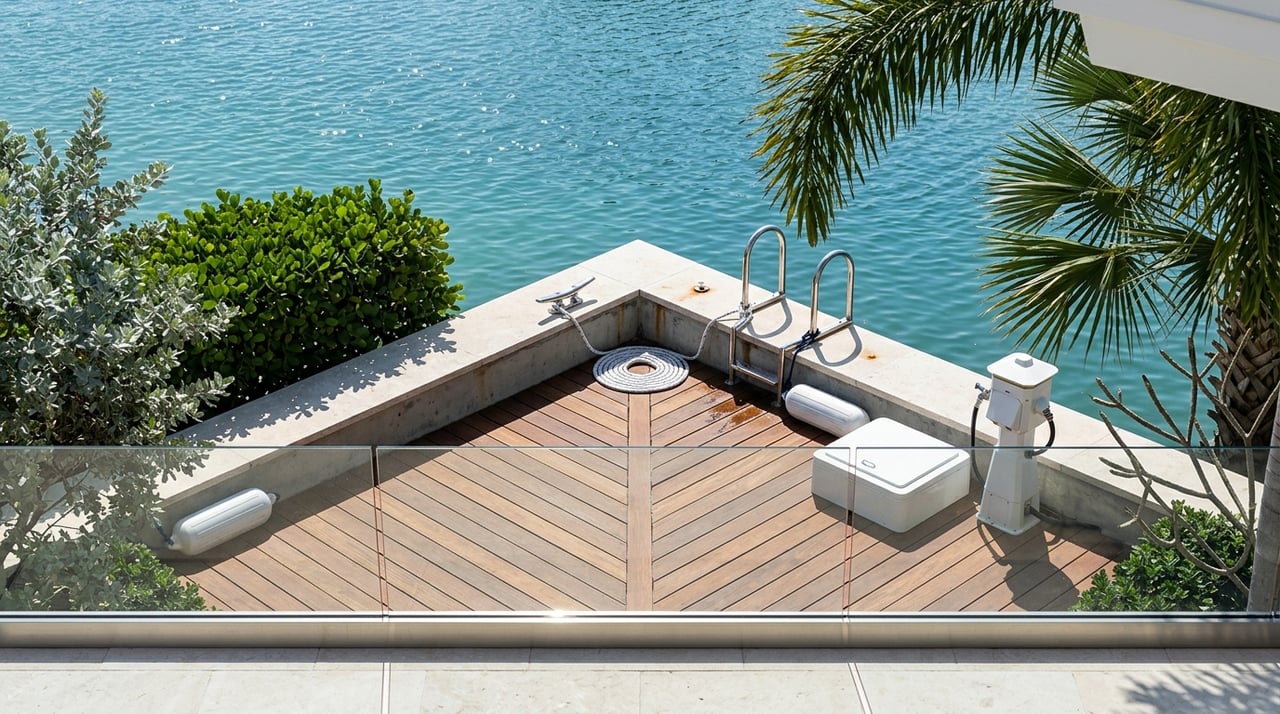
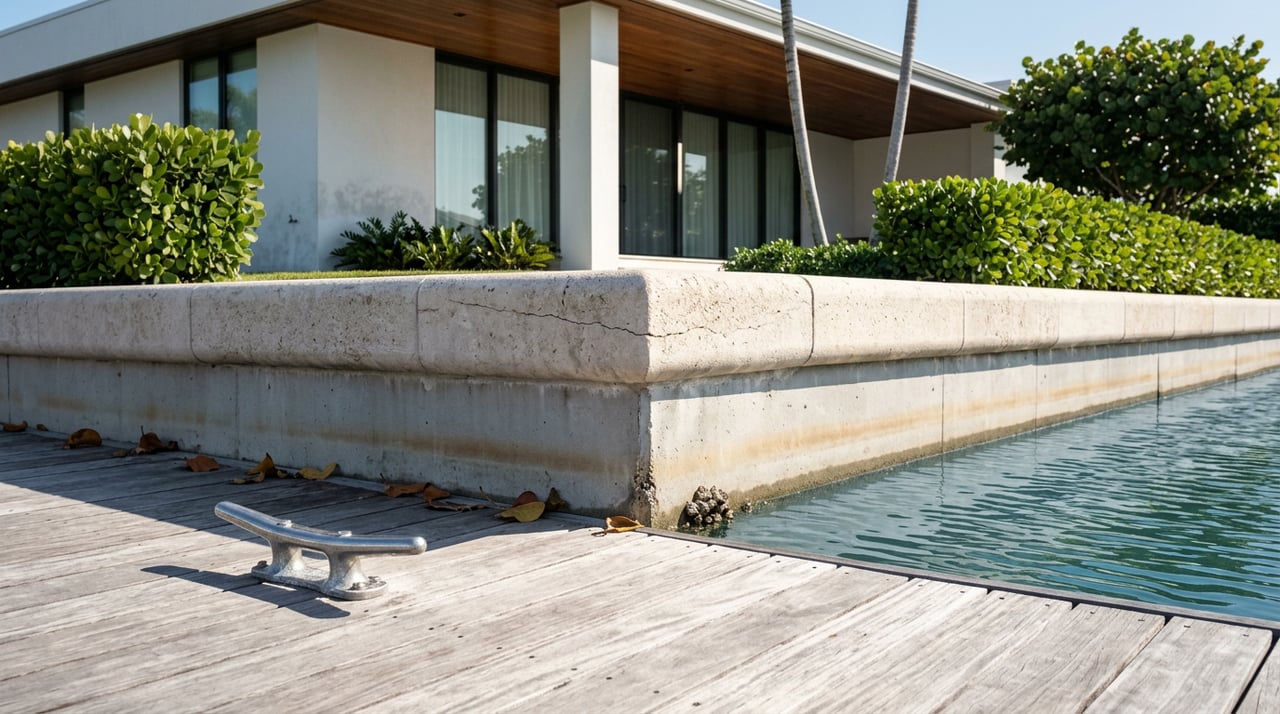
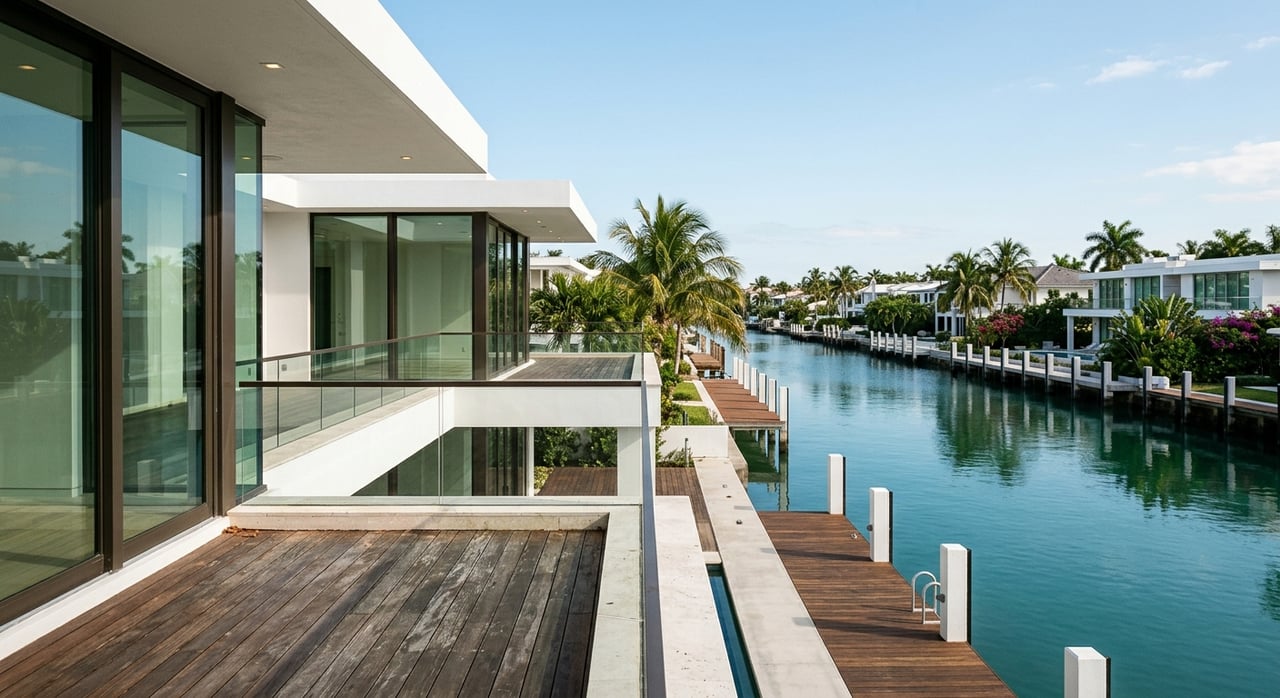
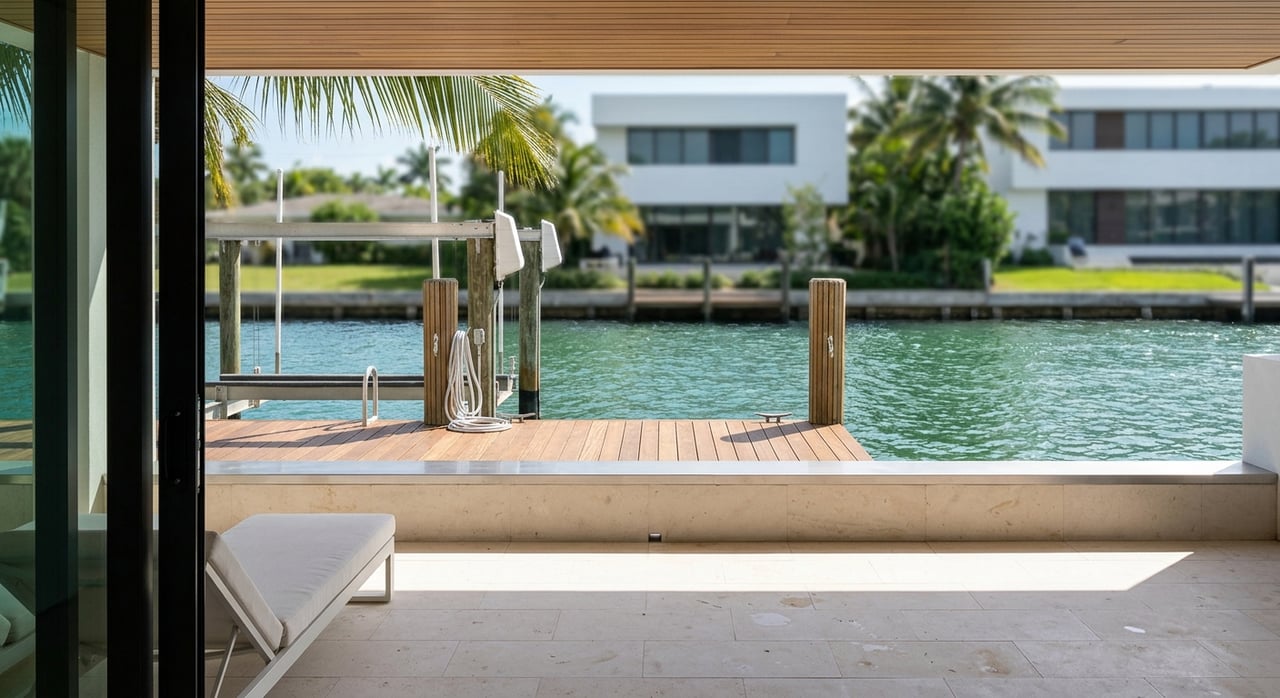
- Many Harbor Beach properties feature deepwater docks sized for large yachts.
- Residents may also access the Surf Club’s small marina. Review the Harbor Beach Surf Club marina rules for insurance and vessel-use requirements.
City and municipal slips
- The City of Fort Lauderdale operates or co-manages public marinas and downtown docks that can serve as short-term solutions during seawall work or construction.
- Use the City’s published materials for planning and confirm current rates and rules: Fort Lauderdale marina guidelines and rates.
Fuel, pump-outs, and shore power made simple
Where to fuel
- You can refuel directly at staffed fuel docks at Bahia Mar and Hall of Fame, among others. Confirm whether you need marine diesel, ethanol-free gasoline, or specialty grades.
- If you prefer to stay put, Las Olas Marina supports in-slip bulk fuel delivery, coordinated by truck or barge. Verify accepted payment methods and environmental procedures in advance.
Pump-out and waste handling
- Most major marinas in this corridor offer pump-out stations or in-slip pump-out. Follow posted federal and state rules for waste handling to avoid violations.
Shore power checks
- Superyacht marinas here typically offer 100A single- and three-phase and, in some cases, up to 400A three-phase/480V. Confirm whether your vessel runs on 208V or 480V three-phase and match the pedestal outlets before arrival.
Favorite routes and bridge planning
Day and weekend runs
- Bahamas first hop: It is roughly 50 to 55 nautical miles to Bimini from Fort Lauderdale, depending on your slip and exact landfall. Plan fuel, weather windows, and Gulf Stream set.
- Miami by water: Many owners cruise south for dining and overnights. Expect a 20 to 35 nautical mile range depending on route.
- North to Palm Beach: Figure roughly 35 to 55 nautical miles by ICW or offshore, route dependent.
Inlet and port traffic
Port Everglades is an active commercial port. Monitor local channels, watch for pilot and tug movements near the entrance, and follow posted restrictions. The upside is proximity. From Las Olas and Harbor Beach, you can be through the inlet in minutes in typical conditions.
Bridges and “no fixed bridge” reality
- “No fixed bridge” means your route avoids low non-opening spans that limit air draft. That is a property-specific claim. Verify it for your dock.
- Drawbridge rules are governed by federal regulations and Local Notices to Mariners. If published numbers differ across sources, defer to official notices and the bridge gauge on the day of transit. Review the U.S. drawbridge operating rules for context.
- The 17th Street Causeway is commonly cited around 55 feet of closed clearance, but always verify on official charts and with the bridge tender. See this planning reference on 17th Street Causeway clearance.
Buyer due-diligence checklist for waterfront homes
Before you assume a vessel will fit or a route is clear, confirm these items for the exact property and the real-world path to Port Everglades.
- Usable dock length vs. LOA. Measure usable tie length, fender clearance, and tender operations space. Ask for as-built dock plans or a recent survey.
- Water depth and controlling soundings. Obtain recent soundings at low water. Ask for the last dredging date and any known shoaling.
- Air draft and bridge list. Map the precise route from the dock to the inlet. List every bridge, note published clearances, and check the latest Local Notice to Mariners before you go. A sample LNM format is here: USCG Local Notice to Mariners.
- Dock rights and Surf Club rules. In Harbor Beach, confirm whether any Surf Club slip rights transfer with the property and review membership prerequisites and policies. Start with the Harbor Beach Surf Club marina page.
- Seawall condition and code triggers. Fort Lauderdale has adopted higher seawall standards for tidal resilience. Confirm current elevation, permits, and whether future work would trigger new rules. Use the City’s materials as a planning reference: Fort Lauderdale marina and permit guidelines.
- Insurance and hurricane plan. Confirm your insurer’s mooring and haul-out requirements. Book space early at major yards like Lauderdale Marine Center during peak season. Monitor the National Hurricane Center for forecasts.
- Utilities at the dock. Verify shore power voltage and phase, potable water, internet, and lighting. Many upgrades require permits, so build timing into your plan.
Lifestyle highlights you feel every day
- Step-off convenience. Las Olas and Harbor Beach place you in a high-amenity district. You can walk from your slip to dining, provisions, and hotels within minutes. Las Olas Marina and Bahia Mar both market urban walkability as core benefits.
- Crew-friendly services. Many marinas offer crew lounges, provisioning, and concierge help. If you keep a tender at home and a larger yacht in a commercial berth, the split approach is common and efficient.
- Event energy. During the Fort Lauderdale International Boat Show, this corridor comes alive. It is smart to pre-book berths and service slots well ahead of high-demand weeks.
Risks and constraints to plan around
- Bridge data can conflict. Published clearances vary by source and datum. Always confirm with the bridge tender, the gauge on site, and the latest federal notices. The Federal Register explains baseline rules for operations. See drawbridge regulations.
- Slip availability shifts fast. Seasonal demand and major events drive rapid changes in pricing and waitlists. Call dockmasters to confirm transient versus annual terms. Start with Las Olas Marina’s dock office for current availability.
- Seawall and dock work cause downtime. City projects and new permitting rules can temporarily affect private dock access. Review the City’s case studies and documents for timing and cost expectations: Fort Lauderdale marina and permit guidelines.
The bottom line
If your yachting lifestyle is about time on the water, Las Olas and Harbor Beach deliver. You get short inlet runs, a network of superyacht marinas, easy fueling and pump-outs, and world-class service yards minutes away. Focus your search on properties with verified deepwater dockage and clear routes, and lean on expert help to confirm measurements, bridge timing, and marina logistics. When you are ready to compare listings and plan dock fit with confidence, connect with Maria Montalbano for a private consultation and a tailored market review.
FAQs
Can I keep a 100-foot yacht at a Harbor Beach home?
- Many Harbor Beach estates advertise deepwater dockage for yachts of that size, but capacity is property specific. Verify usable dock length, turning room, depth, and any Surf Club or HOA rules that apply.
Do Las Olas marinas have fuel docks or in-slip delivery?
- Yes. Bahia Mar and Hall of Fame have staffed fuel docks, while Las Olas Marina offers in-slip bulk fuel delivery and in-slip pump-out. Confirm grades and payment options before arrival.
How far is it from Fort Lauderdale to the Bahamas?
- The first hop is usually Bimini at roughly 50 to 55 nautical miles from Fort Lauderdale, depending on your exact starting slip and landfall. Plan for weather and Gulf Stream set.
Which bridges matter most when cruising from Las Olas?
- Plan around the East Las Olas drawbridge and the 17th Street Causeway on common routes. Always verify current clearances and schedules with official notices and bridge tenders before transit.
What is the biggest operational risk for yacht owners here?
- Weather and hurricanes, plus dock and seawall permitting timelines. Have an insurer-approved hurricane plan and book haul-out or relocation early in the season.